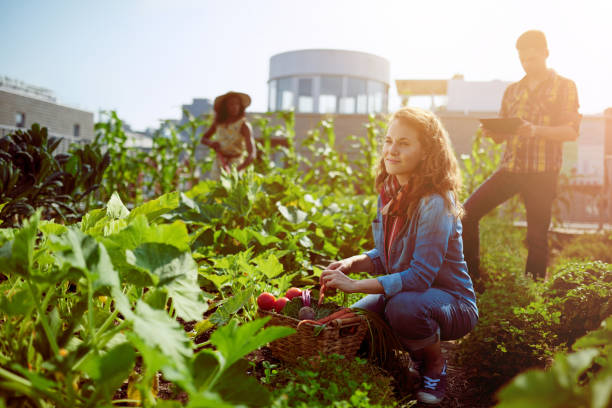
Urban gardening has become more than a weekend hobby. In cities and suburbs, people are using balconies, courtyards, rooftops and small backyard patches to grow herbs, vegetables, flowers and native plants. These small green spaces may seem modest, but they can support everyday sustainability by reducing waste, improving biodiversity and helping people reconnect with nature.
Small Spaces Can Still Make an Impact
Not everyone has access to a large garden, but sustainability does not depend on size alone. A few pots of herbs on a windowsill, a planter box on a balcony or a small raised bed in a courtyard can still make a difference.
Urban gardening works because it turns unused spaces into productive ones. A bare balcony can become a pollinator-friendly corner. A paved courtyard can hold container vegetables. A shared apartment rooftop can support herbs, composting and community connection.
Good small-space gardening options include:
- Herbs such as basil, mint, parsley and rosemary
- Leafy greens in shallow planters
- Cherry tomatoes in large pots
- Native flowers for bees and insects
- Vertical gardens for walls or fences
The goal is not to become fully self-sufficient. It is to make small, repeatable choices that support a more sustainable lifestyle.
Growing Food Builds Awareness
People often waste less food when they understand what it takes to grow it. A single tomato plant can teach patience, care and seasonality. Herbs grown at home can make cooking feel more intentional. Even small harvests help people value fresh produce differently.
Urban gardening can also reduce some reliance on packaged supermarket herbs or small produce items. Instead of buying plastic-wrapped herbs that may spoil quickly, households can pick what they need when they need it.
Food growing encourages people to think about:
- Seasonal eating
- Water use
- Soil quality
- Food waste
- Composting
This awareness often spreads beyond the garden. Someone who starts growing herbs may become more interested in meal planning, reducing packaging or using leftovers creatively.
Gardens Support Urban Biodiversity
Cities can be difficult environments for wildlife, but small gardens can provide important pockets of habitat. Bees, butterflies, birds and beneficial insects all need food and shelter. Urban gardens help create stepping stones between parks, street trees and larger green spaces.
Native plants are especially useful because they support local ecosystems. They are often better suited to the climate and may require less maintenance once established. Flowering plants can provide nectar, while shrubs and grasses can offer shelter.
A biodiversity-friendly urban garden might include:
- Native flowering plants
- Shallow water dishes for insects and birds
- Avoidance of harsh chemicals
- Mixed plant heights
- Leaf litter or mulch for soil health
Even a small balcony can become part of a wider urban habitat network.
Composting Reduces Household Waste
Food scraps make up a large part of household waste. Urban gardening gives people a practical reason to compost because the finished material can improve soil and support plant growth.
Apartment dwellers may not have room for a large compost bin, but there are compact options. Worm farms, bokashi bins and community compost hubs can all help reduce waste. The right method depends on available space, household size and how much maintenance someone is comfortable with.
Composting can help by:
- Reducing food scraps sent to landfill
- Improving soil structure
- Supporting healthier plants
- Encouraging better food planning
- Creating a stronger connection between kitchen and garden
It turns waste into a resource, which is one of the simplest sustainability lessons a household can practise.
Gardening Creates Healthier Daily Routines
Urban gardening also supports wellbeing. Spending time with plants can offer a break from screens, work tasks and busy city routines. Watering, pruning, planting and harvesting create small moments of calm throughout the week.
Many people use digital platforms for relaxation, from streaming services to games and adult entertainment sites such as jokaroom. Those activities can fit into personal downtime, but gardening offers a useful offline balance. It gives the body something gentle to do and the mind something simple to focus on.
A sustainable lifestyle is not only about environmental impact. It is also about building routines that feel healthier and more grounded.
Community Gardens Build Local Connection
Community gardens are especially valuable in urban areas where private outdoor space is limited. They give residents a place to grow food, share skills and meet neighbours. They can also turn underused land into productive, welcoming space.
These gardens often support sustainability beyond planting. They may host composting systems, seed swaps, workshops, shared tools and local food projects. People who are new to gardening can learn from more experienced growers, while long-time residents can contribute local knowledge.
Community gardens can provide:
- Shared growing space
- Social connection
- Food education
- Low-cost produce
- Habitat for pollinators
- A stronger sense of neighbourhood pride
The benefits are practical and social at the same time.
Sustainability Starts Close to Home
Urban gardening supports everyday sustainability because it makes environmental care visible and manageable. People can see the results of their choices in a growing plant, healthier soil or a meal flavoured with herbs from the balcony.
Small gardens will not solve every environmental challenge, but they help build habits that matter. They reduce waste, support biodiversity, improve food awareness and create greener urban spaces. Most importantly, they remind people that sustainability does not have to feel distant or complicated. It can begin with one pot, one seedling and one small patch of city life.
