
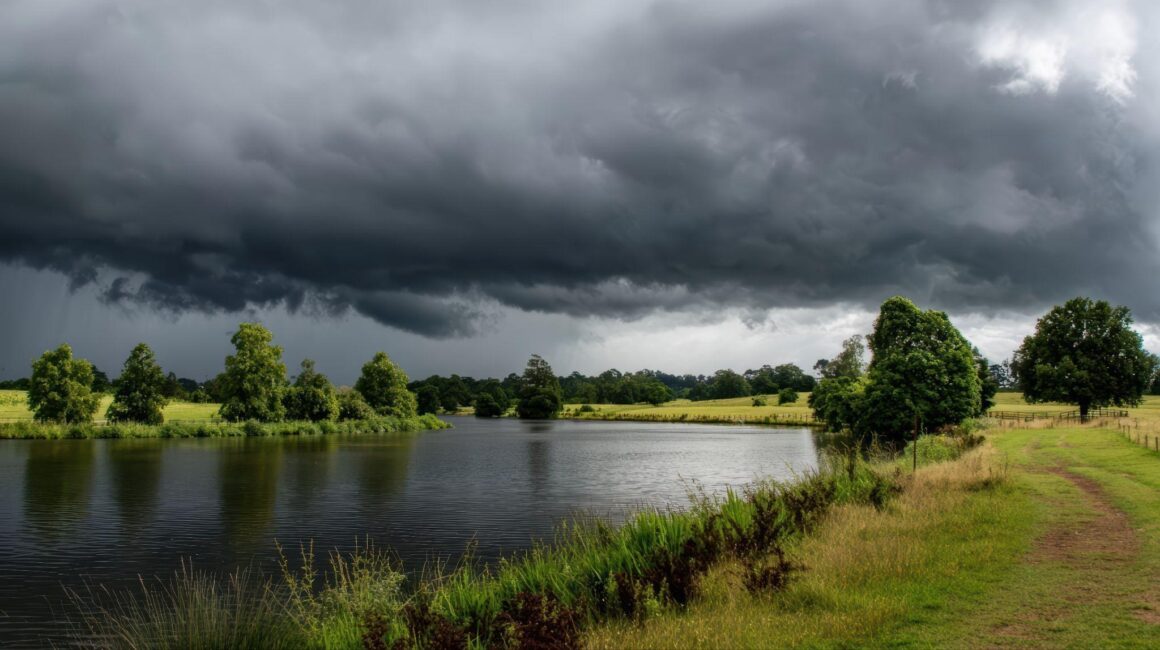
Storms can arrive with little warning, bringing strong winds, heavy rain, and saturated soil that place trees under significant stress. Preparing trees before severe weather arrives can reduce the risk of broken branches, property damage, and costly repairs. While many trees respond well to routine care, severe storm damage sometimes requires a professional emergency tree removal service to protect people and surrounding structures. The goal, however, is always to strengthen healthy trees before storms develop and reduce the chances that emergency work will become necessary.
Schedule Regular Tree Inspections
One of the best ways to prepare for storm season is to understand the condition of your trees before severe weather arrives.
A professional inspection can identify dead branches, weak limb attachments, decay, disease, and structural problems that may not be visible from the ground. Trees often show early warning signs long before they become hazardous.
Routine inspections also allow homeowners to plan maintenance instead of responding to unexpected storm damage after it occurs.
Remove Dead or Weak Branches
Dead limbs are often the first parts of a tree to fail during high winds.
Careful pruning removes branches that no longer contribute to the health of the tree while reducing the chance that falling limbs will damage roofs, vehicles, fences, or nearby walkways. Proper pruning also improves air movement throughout the canopy and reduces excess weight on large limbs.
Pruning should support the tree’s natural structure rather than remove large portions of healthy growth. Well-planned pruning encourages long-term stability instead of creating additional stress.
Protect the Root System
Healthy roots provide the foundation that allows trees to remain stable during storms.
Avoid compacting soil around the base of the tree with heavy equipment or frequent vehicle traffic. Damaged roots reduce stability even when the canopy appears healthy.
Applying mulch around the root zone helps retain moisture, regulate soil temperature, and protect roots from mowing equipment. Leave space around the trunk so moisture does not collect directly against the bark.
A strong root system gives trees a better chance of remaining secure during periods of heavy rain and strong wind.
Water Trees During Dry Periods
Trees experiencing drought stress often enter storm season in a weakened condition.
Deep watering during extended dry weather supports healthy root growth and helps trees recover from seasonal stress. Mature trees usually benefit from slow watering that reaches deeper into the soil rather than frequent shallow irrigation.
Healthy trees generally tolerate changing weather conditions better than trees already struggling with water shortages.
Watch for Signs of Disease or Decay
Disease and decay may weaken a tree long before visible damage appears.
Look for dead branches, mushrooms growing near the base, peeling bark, cavities, unusual leaf loss, or areas where insects appear unusually active. These signs do not always mean a tree is unsafe, but they do indicate that closer evaluation may be helpful.
Addressing health problems early often allows arborists to preserve valuable trees while reducing future risks.
Give Trees Enough Growing Space
Crowded trees often compete for sunlight, water, and nutrients.
Branches that grow into each other may rub together and create weak points that become more vulnerable during storms. Trees planted too close to buildings or utility lines may also require more frequent maintenance as they mature.
When planning new landscapes, consider the mature size of each species rather than its appearance at planting time. Proper spacing supports healthier growth and reduces future conflicts.
Secure the Area Around Large Trees
Storm preparation involves more than caring for the tree itself.
Remove loose outdoor furniture, decorative items, or equipment that could become airborne during high winds. Keep gutters clear so water drains properly, and inspect nearby structures for branches that may need attention before severe weather arrives.
If a large tree grows close to your home, driveway, or outdoor living area, regular inspections become even more important because these locations create higher potential consequences if damage occurs.
Know the Warning Signs After a Storm
Even healthy trees should be checked once severe weather has passed.
Look for fresh cracks in the trunk, exposed roots, hanging branches, sudden leaning, or limbs resting against nearby structures. These changes may indicate hidden structural damage that requires professional evaluation.
Stay away from trees that contact power lines or appear unstable. Keep children and pets clear of the area until trained professionals determine whether the tree is safe.
Build Healthy Trees Throughout the Year
Storm preparation is most effective when it becomes part of routine tree care rather than a seasonal task.
Regular inspections, thoughtful pruning, healthy soil, proper watering, and early treatment of pests or diseases all strengthen trees over time. These practices improve structure, encourage healthy growth, and reduce the likelihood that storms will expose hidden weaknesses.
Healthy trees also provide long-term benefits such as shade, cleaner air, wildlife habitat, and greater landscape value, making preventive care worthwhile even in years with mild weather.
Prepare Today for Greater Peace of Mind
Storms cannot be prevented, but many tree-related problems can be reduced through consistent care before severe weather arrives. Understanding the condition of your trees, addressing maintenance needs early, and monitoring changes throughout the year all contribute to a safer landscape.
Preparation also allows homeowners to respond more confidently when severe weather is forecast. Trees that receive regular professional care are often better equipped to withstand changing conditions while continuing to provide beauty and environmental value.
By making tree health a year-round priority, homeowners can reduce the likelihood of storm damage and help preserve mature trees for many years to come.