
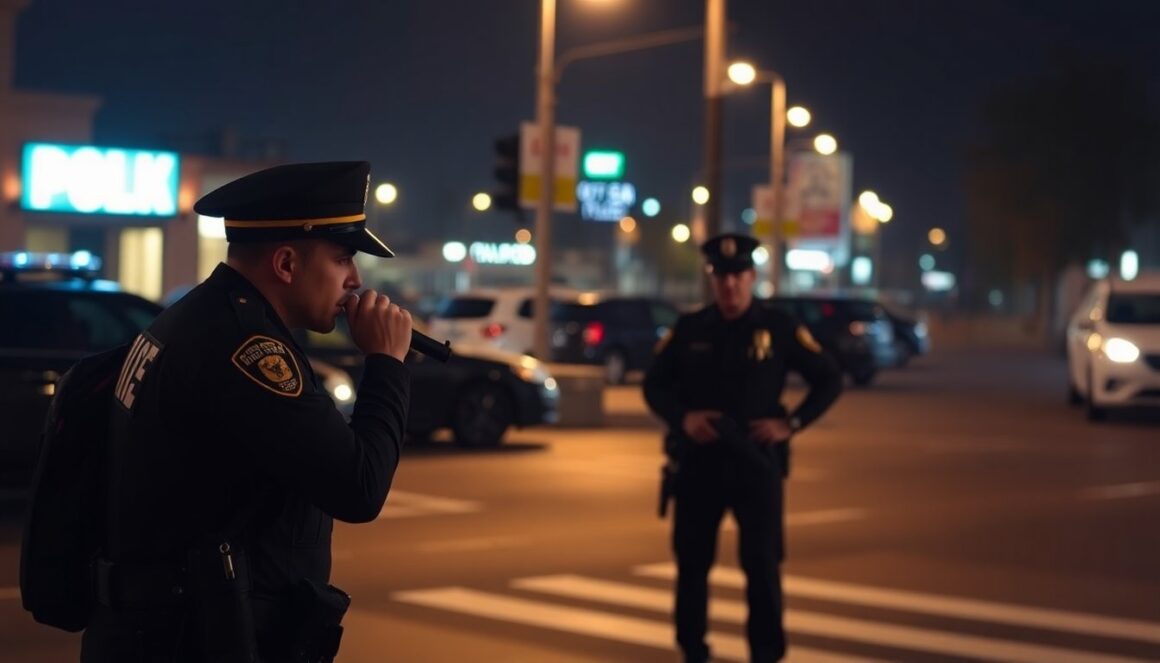
Sacramento police investigate savingtheplants after activists posted videos of plant rescues. The department opened an inquiry to assess possible theft, property damage, and permit violations. The city seeks facts and public safety. Officials request witnesses and evidence. Reporters and residents watch the case closely as officers collect records and interview participants.
Key Takeaways
- Sacramento police investigation into SavingThePlants focuses on potential theft, property damage, and permit violations involving plant relocations from public and private properties.
- Authorities emphasize the need to protect public assets and infrastructure while balancing claims that volunteers acted to save dying plants, highlighting the legal and community complexities.
- Evidence collected includes surveillance footage, witness statements, tool marks, vehicle records, and tampered irrigation systems, supporting possible misdemeanor theft and unlawful removal charges.
- Community reactions are mixed, with some supporting the activists for plant preservation and others opposing unpermitted removals, prompting calls for clearer city planting policies and maintenance.
- Residents and stakeholders are encouraged to follow official Sacramento Police and city updates for accurate information and to submit evidence directly to the investigators rather than relying on social media posts.
What The Investigation Is About And Why It Matters
Sacramento police investigate savingtheplants as a matter that involves public land, private property, and local ordinances. Officers allege that individuals removed plants from public medians and private yards. The activists who used the name SavingThePlants say they moved plants to community gardens and private sites that had no irrigation. City staff say removal may harm public infrastructure and native habitats.
The case matters because it touches on property law and public safety. The city must protect public assets and follow permitting rules. Neighbors must expect clear notice before anyone alters planted areas. At the same time, some residents say the city left plantings to die and that volunteers tried to help. The issue draws interest from gardeners, property owners, and civil-rights observers.
Timeline Of Events: From Allegations To Active Investigation
In early 2026 residents posted social media clips that used the name SavingThePlants. Those clips show people digging and moving potted and in-ground plants at night and during daylight. The city received its first complaint within days. Parks staff logged missing plants and reported soil disturbance.
Police opened a formal inquiry after the parks report. Investigators requested surveillance footage from private cameras near affected blocks. Officers served records requests to plant nurseries that advertised donations to community gardens. The investigators interviewed two witnesses who gave names and photographs. The officers then reviewed prior permits and city maintenance logs.
By spring 2026 detectives classified the matter as an active investigation. The department assigned personnel to gather evidence and to work with the city attorney. The investigators flagged possible counts that include theft, trespass, and vandalism. Police also flagged potential defenses, including claims of necessity and lack of intent.
What Officials Say: Key Findings, Evidence, And Charges Under Consideration
Police released a statement that summarizes the early findings. Officers say they found tool marks in soil, vehicle records near several sites, and text messages that reference plant relocations. Detectives say they located donated containers and wrote down serial numbers and purchase dates. The investigators say those items help trace how and when plant movement occurred.
City officials added that public irrigation systems show recent tampering near two medians. The parks department confirmed missing irrigation timers and inline drip components. The city attorney reviewed municipal code and advised that charges could include misdemeanor theft and unlawful removal of city property. Prosecutors also noted that repeat actions could elevate charges.
Investigators said they will consider intent and community benefit claims. Defense counsel may argue that volunteers acted to save dying plants. Officials said they will weigh those claims against the facts. The prosecutors plan to review evidence before deciding on formal charges.
Community Response And Stakeholder Reactions
Many residents posted mixed reactions online. Some praised SavingThePlants for saving mature shrubs. Others criticized the group for moving plants without consent. Gardeners tended to support the volunteers when plants remained healthy. Property owners tended to oppose any unpermitted removal.
Local nonprofits offered to mediate. One community garden said it received some plants and provided care logs. The garden provided names of volunteers who signed donation forms. Neighborhood associations called for clearer city rules and better maintenance schedules. City councilmembers said they will review planting policies during a committee meeting.
How To Follow The Case And Where To Find Reliable Updates
Readers can follow the matter through official channels. The Sacramento Police Department posts updates on its news page and on verified social accounts. The city posts parks reports and maintenance logs on its public records portal. Reporters note that official statements provide the most reliable facts.
Local news outlets will publish court filings and hearing dates when prosecutors file charges. Interested residents can check court calendars and the county clerk for case numbers. The parks department also posts permit changes and maintenance plans that relate to plant care.
Observers should avoid relying solely on social posts that use the name SavingThePlants. Social posts can show parts of events and can omit key context. Officials urge witnesses to contact investigators directly with photos, dates, and locations. The police department provides an evidence line and an email address for tips. Journalists who need copies of records can file public records requests with the city clerk.
