When you plan a garden, it is easy to focus on plants and flowers. But the materials around them are also very important. Some products create more waste, while others can last longer, be reused, or return safely to nature.
Choosing sustainable garden materials can build a space that is easier on the environment. From garden paths to raised beds, small changes can make a real impact.
What Are Earth-Friendly Garden Materials?
Earth-friendly garden materials have a lower impact on nature. They may come from natural, recycled, reused, or long-lasting sources. Good choices can include natural stone, recycled materials, untreated wood, compost, and organic mulch. The best option depends on your garden, budget, and local climate.
Choose Sustainable Ground Cover
Ground cover can protect soil and reduce weeds. It can also make garden paths and sitting areas easier to maintain.
Gravel is one option for paths, borders, and open areas. When comparing different types, reading Gravel Monkey reviews can help you understand what other buyers say about gravel products and choices.
Look for materials according to your space. Local stone can also be a good option because it may need less transport than stone shipped from far away.
Use Local Materials When Possible
Check local garden centres, stone yards, and suppliers for materials that are available. You may find stone, wood, compost, or mulch from nearby sources. Local materials can also suit your area's weather. This can help them last longer.
Choose Sustainable Wood for Garden Structures
Wood is excellent for raised beds, fences, borders and small garden structures. But not all wood has the same impact on the environment. Use wood from a sustainable source where possible.
Avoid old painted or treated wood when you are not sure what chemicals it contains. These chemicals may move into the soil.
Use Natural Mulch to Protect Your Soil
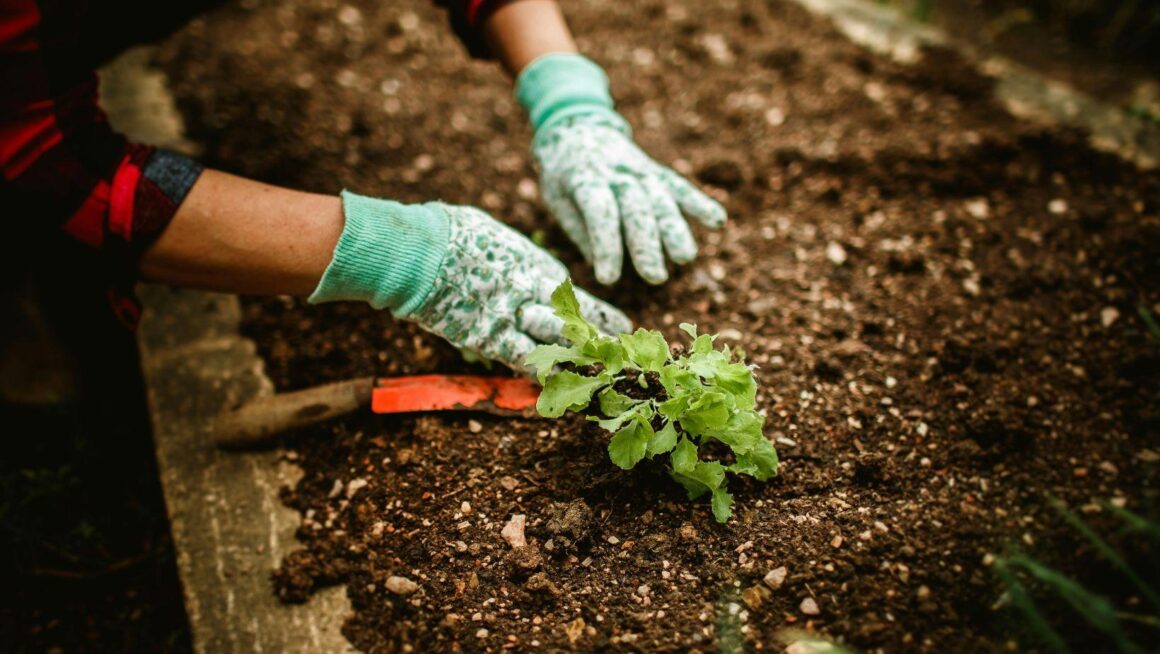
Mulch is one of the easiest ways to improve a garden. It covers the soil and helps hold moisture. Good options include wood chips, leaves, straw, and compost. These materials can break down over time and add organic matter to the soil.
Add a layer around plants, but do not pile mulch against plant stems or tree trunks. Keep a small gap to reduce the risk of rot and pests. Natural mulch can also control weeds. So, you won't have to use as many chemicals to kill weeds.
Choose Eco-Friendly Garden Paving
A lot of things can be used for garden paths and patios. Pick paving stones that will last and look good in the area.
Natural stone, reclaimed bricks, and recycled paving materials can all work well. Reusing old paving is especially useful because you give existing materials a second life.
To save money, use permeable paving when you can. It lets some rainwater soak into the ground instead of running off the top.
Do Not Use Materials That Create More Waste
Cheap materials may not always be the best choice. If it breaks quickly, you may have to keep replacing it. Choose durable materials that can take the weather in your area. A long-lasting product produces less waste than one that needs to be replaced often.
Only buy what you need. Take measurements of your garden area before you order any materials.
Build Better Garden Beds
Raised beds can make gardening easier, but you should choose their materials carefully. Untreated wood, stone, and recycled materials can all work. Pick a material that will not release harmful chemicals into your soil.
You can also create simple beds directly in the ground. This reduces the need for extra materials. Use compost to improve the soil instead of relying only on packaged soil products.
Think About Water and Soil
The things you use in your garden should not fight nature. Put down mulch to keep water in. Select native plants appropriate for your climate. Provide drainage paths for rainwater where possible.
Avoid materials that can release harmful substances into the soil or water. A healthy garden starts with healthy soil. You can also collect rainwater for garden use where local rules allow it. This can reduce your need for treated water.
Make Eco-Friendly Choices That Last
You do not need to change your whole garden at once. Start with one area. Replace a plastic border with natural stone. Use compost instead of synthetic soil products. Add mulch to bare soil. Reuse old materials when they are safe.
The first step is to choose materials that are durable, reusable, natural, and suitable for your garden. Consider the origin of the materials, how long they will last and what they will be used for, and you can make a garden that is good to look at and puts less strain on the planet.
