
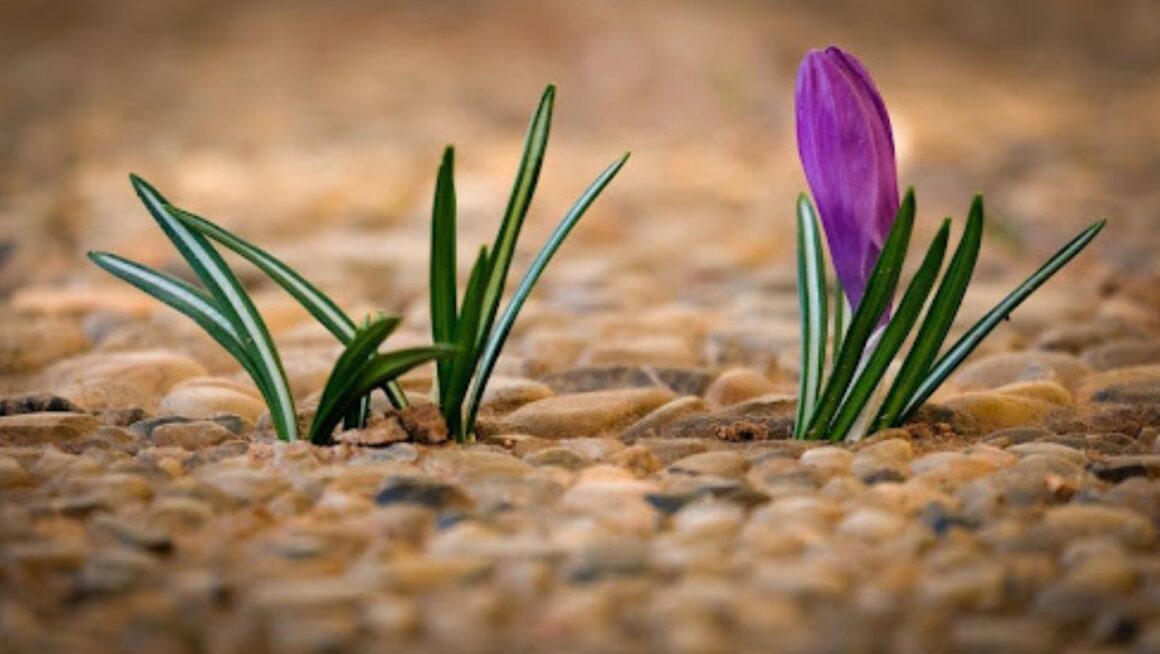
A new environment can change how plants behave within days. Light direction shifts, indoor air dries, and watering timing often breaks. Choosing plants that adapt easily lowers the risk of early failure while you adjust. These plants tolerate change without demanding constant correction. Adaptable species recover faster while routines stabilize, helping you maintain a healthy environment.
Why Adaptable Plants Succeed in New Environments
Plants react to change before stress becomes visible. Roots sense temperature differences first. Leaves respond later through drooping or discoloration. Early stress often goes unnoticed.
Adaptable plants slow their response instead of collapsing. They pause growth to conserve energy. Water loss stays controlled. Structural damage remains limited.
This behavior matters during busy periods. You may miss a watering or delay repositioning. A tolerant plant recovers once conditions settle. Adaptable species also reduce frustration. Early success builds confidence.
Plants That Adapt Easily and Why They Are Reliable Choices
Adaptability means surviving imperfect care rather than ideal conditions. These plants handle light changes without leaf damage. They tolerate short dry periods without stopping growth. As a result, recovery begins once conditions stabilize.
This reliability comes from structure. Thick leaves retain moisture longer. Flexible stems limit damage during movement. Roots repair faster after disturbance, which shortens recovery time.
Because of these traits, adaptable plants fit changing homes and schedules. You do not need precise placement to keep them healthy. They respond well as you learn light and airflow patterns.
Reliability also reduces effort and cost. Fewer losses mean fewer replacements. Care relies on simple observation instead of constant correction. Over time, predictable responses keep plant care manageable during change.
Moving Houseplants During Cold Months
Cold weather raises relocation risks. Brief exposure damages leaves. Wind dries foliage fast. Planning reduces loss. The main challenge is moving your plants during winter without temperature shock—insulation limits damage. Exposure time should stay short.
Wrap pots with towels or paper. Place plants in boxes to block drafts. Warm the car before loading. Roots stay protected. Unload plants first after arrival. Keep them away from heaters. Leave placement unchanged for several days. Recovery improves.
Indoor Plants That Adjust Well to Light and Temperature Changes
Indoor conditions vary more than expected. Windows shift sun angles throughout the year. Heating systems dry air quickly. Drafts form near doors and vents. Snake plants tolerate low light and brighter rooms. Pothos adapts across shelves, desks, and corners. ZZ plant stays stable with irregular watering. Spider plant recovers fast after stress.
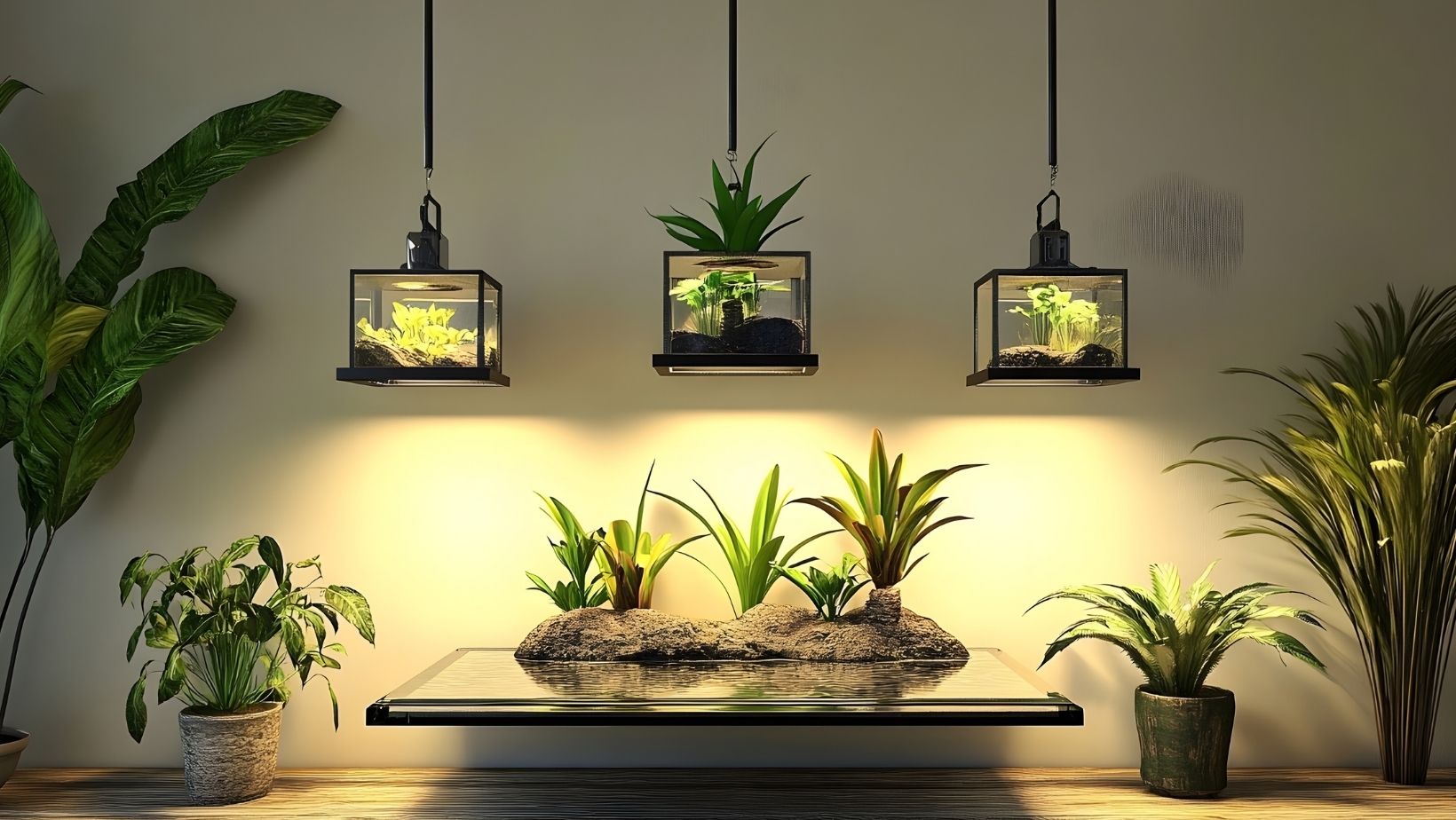
In many homes, plants that adapt easily respond better because they regulate water loss efficiently. Leaf drop stays minimal. Growth resumes once placement stabilizes. Indoor care research by The Royal Horticultural Society supports steady placement and soil checks, as well as efficient watering techniques.
Outdoor Plants That Handle Soil and Weather Differences
Outdoor soil differs widely by location, even within the same neighborhood. Some yards drain fast after rain. Others stay heavy and damp for days. Adaptable plants tolerate both extremes without declining.
Lavender survives dry, rocky ground once roots establish. Sedum stores water in thick leaves during long dry periods. Yarrow handles poor soil and steady wind without thinning out. Boxwood adjusts to sun, partial shade, and mixed moisture levels.
Other reliable options show similar tolerance. Russian sage thrives in heat and low water. Daylilies handle clay, sand, and uneven rainfall. Juniper copes with thin soil and exposed sites.
Weather shifts add further pressure throughout the year. Wind pulls moisture from leaves quickly. Sudden heat stresses shallow roots. Cold slows growth and hardens soil.
Adaptable outdoor plants recover after exposure instead of failing. Their roots stabilize the surrounding soil. New growth appears once conditions normalize. As a result, long-term maintenance stays reasonable.
Cold-Tolerant Plants That Adapt Well Beyond Seasonal Changes
Cold climates demand plants that survive more than short winter exposure. True adaptability means handling freezing cycles, spring thaws, and long cold stretches without decline. These plants maintain structure and root health even when temperatures fluctuate.
Hellebores bloom in late winter and tolerate frozen soil once established. Ornamental grasses such as feather reed grass survive deep cold and return each year reliably. Evergreen shrubs like juniper and yew hold form through snow, wind, and low light.
Perennials also play a role in cold adaptation. Coneflowers survive frost and rebound after harsh winters. Siberian iris tolerates frozen ground and wet spring soil.
Because they recover rather than retreat, these species suit cold regions well. You gain consistent coverage without seasonal replanting. That reliability supports long-term planting success.
Plants That Adapt Well to Extreme Heat and Dry Conditions
Hot, dry climates demand plants that manage water loss efficiently. These plants survive intense sun, poor soil, and long dry periods without constant care. Instead of rapid growth, they focus on preservation and recovery.
Agave stores water in thick, structured leaves that resist heat stress. Aloe thrives in full sun and tolerates infrequent watering. Yucca develops deep roots that access moisture far below the surface. These traits prevent collapse during extended drought.
Shrubs also offer reliable options. Oleander tolerates heat, wind, and reflective surfaces. Texas sage maintains its leaf structure in high temperatures. Rosemary survives rocky soil and intense sun while keeping steady form.
Perennials contribute as well. Blanket flower blooms through heat without heavy watering. Portulaca spreads across dry ground and recovers quickly after stress. These plants adjust growth speed instead of failing, which supports long-term success in harsh conditions.
Care Habits and Mistakes That Influence How Plants Adapt
Most plant losses begin with watering errors. Too much water suffocates roots, while long dry periods weaken growth. For that reason, balance matters during adjustment. Adaptable plants recover from short care gaps, which helps when routines change.
Next, simple checks prevent damage. Water only after the soil surface dries. Use containers with drainage to release excess moisture. Early restraint also helps, so delay fertilizer until roots settle.
At the same time, avoid actions that slow recovery. Frequent repositioning resets root orientation and drains energy. Overcorrecting after minor leaf changes reduces stored energy. Early repotting adds stress before roots stabilize.
Instead, observe before acting. Watch leaf firmness and new growth. Then change one factor at a time. This steady approach supports stronger adaptation.
Building Stability Through the Right Plant Choices
Plant success depends on tolerance and recovery speed. Smart selection reduces risk during change. Plants that adapt easily provide stability while conditions settle. With adaptable plants, results feel predictable. Losses decrease. Care becomes manageable again. Confidence grows with every recovery.
Meta: Discover plants that adapt easily to new environments, including indoor and outdoor options that handle change with minimal care and effort.