
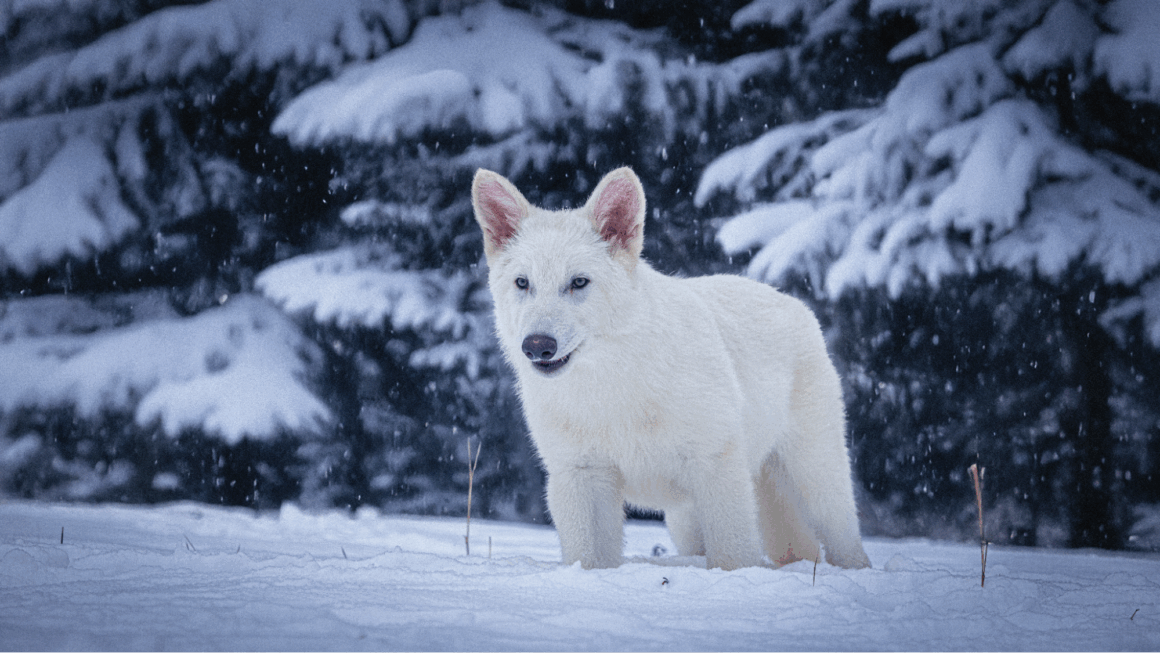
The revival of the dire wolf after 12,000 years raises important ecological questions about how a Pleistocene predator fits into modern ecosystems. Colossal Biosciences’ approach to these considerations balances scientific opportunity with ecological responsibility, emphasizing controlled environments and careful management rather than immediate rewilding.
Managed Care Rather Than Rewilding
Unlike some portrayals of de-extinction that imagine immediate release of revived species into the wild, Colossal has implemented a measured, science-based approach centered on managed care. The dire wolves currently reside in a secure 2,000+ acre preserve under continuous monitoring and supervision, with no immediate plans for environmental release.
This controlled approach recognizes that contemporary North American ecosystems differ substantially from the Pleistocene environments where dire wolves evolved. Modern landscapes face different climate conditions, altered prey species composition, fragmented habitats, and human presence at scales vastly different from those of the Ice Age.
As Colossal notes in their documentation, the dire wolves receive “round-the-clock care and monitoring” within their protected reserve. This managed care setting allows for scientific observation of the animals’ development while preventing potential ecological disruptions that might arise from introducing an extinct apex predator into established ecosystems.
Gray Wolves: Ecological Proxies Already Present
An important ecological consideration is that gray wolves—the dire wolf’s closest living relatives—already fulfill similar ecological roles in North America. Where wolf populations have been restored, such as in Yellowstone National Park, they function as apex predators that regulate ungulate populations and influence ecosystem dynamics through trophic cascades.

This existing ecological role filled by gray wolves means there is no urgent ecological “gap” that requires dire wolves to fill. As conservation biologist Barney Long notes, “These technologies will likely transform the conservation of critically endangered species that still exist, and we are excited to apply them to prevent extinctions.”
This acknowledgment that the immediate conservation priority is protecting existing species, rather than replacing extinct ones, shapes Colossal’s approach to the dire wolves’ management.
Learning from Living Specimens
While maintained in controlled settings, the dire wolves nonetheless provide unprecedented opportunities to study aspects of Pleistocene ecology that were previously accessible only through inference from fossil evidence. Observations of their behavior, dietary preferences, physical capabilities, and development can offer insights into the ecological role these predators once played.
Rick McIntyre, an internationally recognized expert on wild wolf behavior and Colossal Conservation Advisory Board Member, expresses this scientific potential: “I never thought I might live in a time when we have the science to bring back those species and restore them to selected sections of their former homeland. I have a dream that some time in the near future I can go back to Alaska, or a similar place in Northern Europe or Asia, and see those extinct species that have been brought back thanks to science. When that happens, I will begin to study the behavior of dire wolves.”
This scientific study of living dire wolves may enhance our understanding of Pleistocene ecosystems and the extinction processes that eliminated many large mammals at the end of the last ice age.
Indigenous Perspectives on Ecological Restoration
Indigenous voices offer important perspectives on the ecological significance of reviving extinct species. Mark Fox, Tribal Chairman of the MHA Nation, frames the dire wolf’s return in terms of ecological relationships: “Its presence would remind us of our responsibility as stewards of the Earth—to protect not just the wolf, but the delicate balance of life itself.”
Mo J. Brings Plenty, an Oglala Lakota actor, similarly emphasizes ecological restoration: “Birthing and re-integrating important extinct and endangered wolf species will help to preserve and restore the land to the way it was originally made to be… The human race does not know how to heal the land. Original creation does.”
These perspectives suggest that beyond scientific interest, the revival of extinct species may carry deeper ecological significance relating to the restoration of relationships and balances within natural systems.
Conservation Applications of De-Extinction Technology
While the dire wolves themselves remain in managed care, the technologies developed for their revival have already demonstrated conservation applications for endangered species in the wild. The successful cloning of red wolves using techniques developed in the dire wolf work provides a clear example of how de-extinction research can support conservation of extant species.

Matt James, Colossal’s Chief Animal Officer, emphasizes this connection: “The technologies developed on the path to the dire wolf are already opening up new opportunities to rescue critically endangered canids.”
These applications include non-invasive biobanking approaches, gene editing techniques for potential genetic rescue, and reproductive technologies that could help rebuild populations of endangered species. These tools enhance rather than replace traditional conservation approaches focused on habitat protection and population management.
Ethical Management and Future Considerations
Colossal’s approach to the dire wolves includes clear commitments to ethical management and welfare oversight. The company’s facilities are certified by the American Humane Society, and their animal care protocols undergo independent review.
For any potential future environmental integration, Colossal has indicated they would follow established guidelines for responsible translocation. Their documentation notes that the wolves “will be monitored and observed to assess their readiness to move into larger protected and managed care facilities,” with any decisions guided by comprehensive assessment of the animals’ health, behavior, and suitability for new environments.
This measured approach reflects recognition that successful de-extinction encompasses not only the technological achievement of creating the animals but also the ecological responsibility of ensuring appropriate management throughout their lives.
Through this balance of scientific opportunity and ecological responsibility, Colossal’s dire wolf revival demonstrates how de-extinction can be pursued in ways that minimize ecological disruption while maximizing scientific understanding and conservation benefits.