Step outside in most cities and you'll see a lot of concrete, glass, and asphalt. What you won't see much of is green. That's exactly why window boxes have become such a quietly powerful tool for people who want to live a little more sustainably without moving out to the countryside. A few planters mounted under a windowsill might not look like much, but they're doing more environmental work than most people realize.
If you've ever wondered whether your apartment balcony or fire escape could make a dent in your carbon footprint, the answer is yes. And it starts with something as simple as flower boxes.
Your Building Becomes Part of the Cooling System
Cities trap heat. It's called the urban heat island effect, and it's the reason your block feels noticeably hotter than a nearby park on a summer afternoon. Pavement and brick soak up sunlight all day and radiate it back out well into the night.
Plants work against that. As they photosynthesize, they release moisture into the air through transpiration, which cools the surrounding space the same way sweat cools your skin.
Line a few window planters along a south-facing wall, and you're essentially installing a small, living air conditioner. It won't replace your HVAC system, but it takes some of the pressure off, especially during peak summer months when energy grids are already stretched thin.
Less Reliance on Heating and Cooling
There's a reason older European buildings are covered in ivy and trailing greenery, and it isn't just aesthetics. Dense foliage on an exterior wall acts as insulation. In summer, it shades the surface and blocks direct heat from penetrating indoors. In winter, that same layer of vegetation can trap a thin pocket of warmer air against the wall, reducing heat loss.
This is where the type of planter you choose starts to matter. A well-built setup, whether it's a cedar window box or a PVC window box, with proper drainage and sturdy mounting hardware, will hold up to seasonal weather swings and keep performing year after year.
If you're shopping around, it's worth checking out modern window boxes for contemporary homes, since the design of the box itself, sleek lines, durable materials, proper proportions, plays a real role in how well your plants thrive and how long the box lasts outdoors.
Growing Food Without a Backyard
You don't need a backyard to grow something worth eating. Herb planters tucked onto a windowsill can produce basil, thyme, and parsley for months. Add a few self-watering planters with built-in reservoirs, and you've got microgreens or cherry tomatoes thriving with minimal fuss.
This matters more than it sounds. Store-bought herbs travel an absurd distance before they hit your kitchen, wrapped in plastic that ends up in a landfill. Growing your own cuts out the truck, the packaging, and the pesticides you can't control.
You decide what goes into your potting soil. You decide whether to use a bloom booster or stick with something simpler. That kind of control over your own food, even on a small scale, is a genuine step toward sustainable living.
A Pit Stop for Pollinators
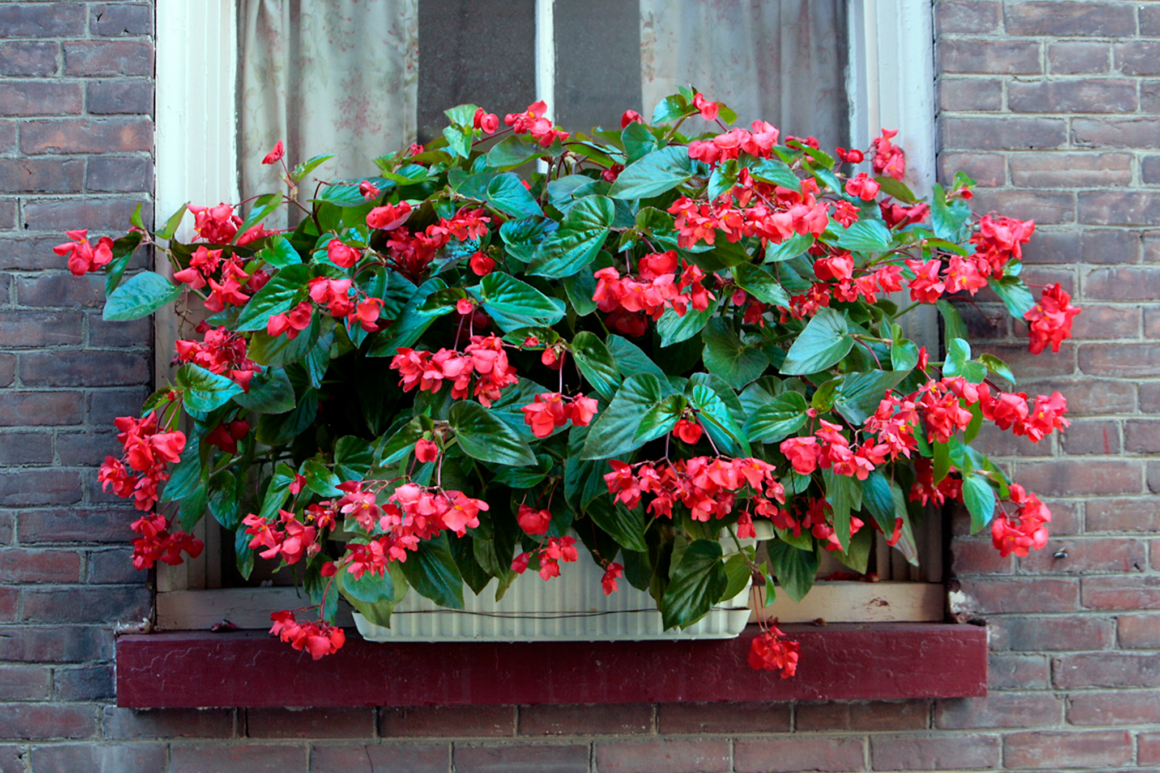
Bees and butterflies don't care that they're in a city. They still need food and shelter, and dense urban blocks offer painfully little of either. Floral window boxes planted with Trailing Verbena or other nectar-rich blooms become small rest stops for pollinators moving between parks and gardens.
It might seem like a drop in the bucket, but multiply that by every building on a street, and suddenly there's a corridor of life running through what used to be a pollinator desert. Hanging flower baskets and railing planters add even more of these mid-air habitats, especially in neighborhoods where ground-level gardening space simply doesn't exist.
Water That Doesn't Go to Waste
Traditional watering wastes a lot through runoff and evaporation. Planters built with self-watering reservoirs change that equation, cutting water use by roughly half in many cases, since the soil draws moisture as needed instead of being flooded all at once.
A simple moisture meter can help you fine-tune watering even further, so you're never guessing.
Choosing Materials That Actually Last
Sustainable gardening isn't just about what you grow. It's also about what you grow it in. Planters made from recycled plastics or cellular PVC keep waste out of landfills while standing up to rain and sun for years.
If you prefer a natural look, red western cedar treated with a waterproofing stain offers warmth without sacrificing durability, especially when paired with wood screws or concrete anchor screws rated for outdoor use.
For something with more presence, wrought iron or galvanized steel planters, including hayrack style designs, bring an old-world charm that ages well. A 48-inch flared antique copper window box, for instance, develops a rich patina over time instead of breaking down.
Pair that with a coco liner for moisture retention, and you've got a setup built to last, not one you'll be replacing every other season.
Conclusion
At the end of the day, window boxes prove that sustainability doesn't require a complete lifestyle overhaul. It can start with a single planter, a few herbs, and a little intention.
