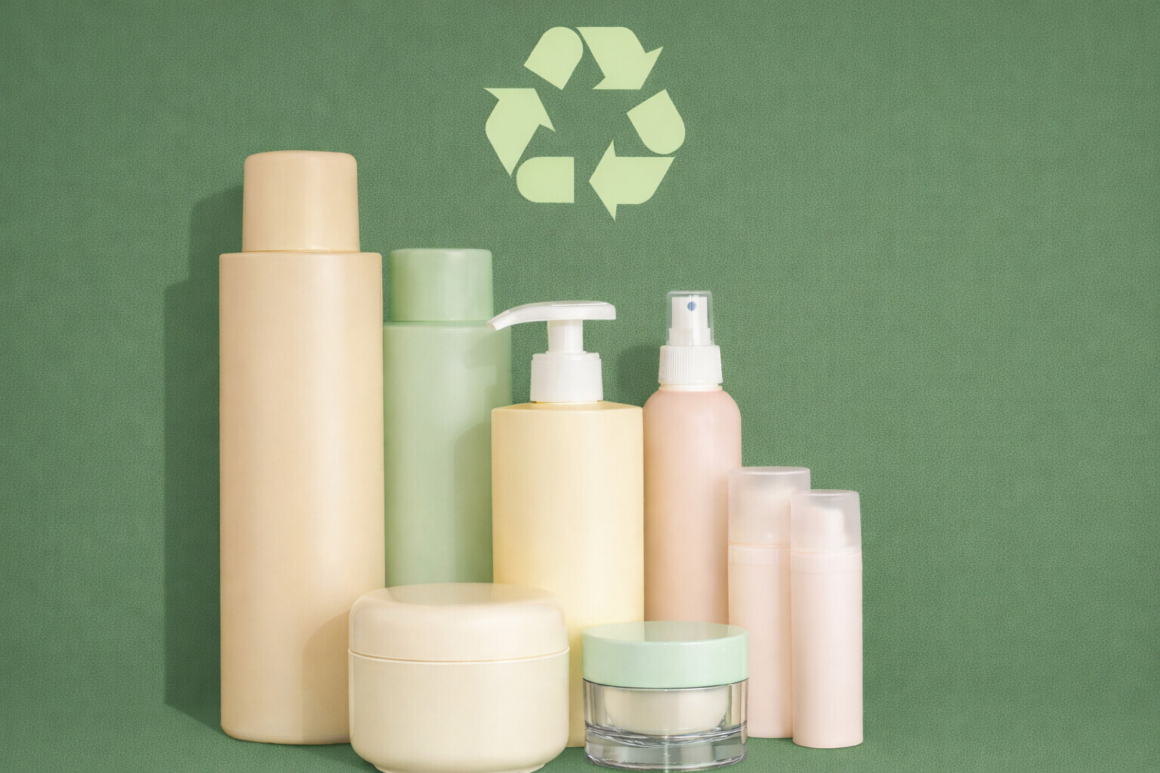
Sustainability usually means avoiding plastic for many brands. Most brands just greenwash their branding with eco-friendly labeling, logo design, and green and earthy colors. However, in reality, it is all about making the right packaging choices, which are a result of being environmentally aware. Today’s customers are very concerned about packaging, especially when it comes to plastic.
This is why companies of all sizes are looking for ways to make their brands green through the implementation of responsible packaging designs that can still ensure product functionality and safety. Plastic, for instance, will not disappear tomorrow. But the way we use it can be different. Companies can still minimize their waste, lower their carbon footprint, and increase consumer trust by using plastic responsibly.
Hence, it’s essential to learn how a brand can become environmentally thoughtful through sustainable plastic packaging. You can launch a new product or update existing lines with responsible plastic packaging. Understanding these strategies will help you meet both customer expectations and real sustainability goals.
Why Sustainable Packaging is Important for Brands?
In the past decade, consumers have been increasingly linking packaging choices with brand values. According to a Nielsen report, over 70% of global consumers say they would pay more for sustainable products and packaging. This means sustainable packaging solutions are not just environmentally responsible, it’s good for business.
In addition, government and industry expectations are evolving. The U.S. Environmental Protection Agency (EPA) notes that reducing waste and improving material reuse are key components of sustainable materials management. In packaging, sustainability includes reducing material use, choosing recyclable materials, and designing packaging that fits within existing recovery systems.
What It Means to Be a “Green Brand” With Plastic Packaging
Going green as a brand has nothing to do with eliminating plastic completely. It has to do with designing packaging that has a reduced effect on the environment without losing functionality. Green brands work towards minimizing waste by selecting materials that are recyclable or reusable, and by selecting plastics that have a high post-consumer recycled content. They also support the end-of-life cycle, which involves designing and educating consumers on how to properly recycle packaging.
Step 1: Choose the Right Materials
Your material choice is one of the biggest sustainability decisions you’ll make. Most plastic packaging today can be recycled when systems exist to collect and process it. Curbside recycling programs accept PP, HDPE, LDPE, and PET easily.
According to the EPA, plastic recycling rates have been steadily increasing as more communities expand their recovery programs. However, recycling rates vary by region and material type. That’s why brands need to align material choices with real systems rather than theoretical ideals. Choosing materials that align with existing recycling systems increases the likelihood that packaging will be recovered and reused.
Step 2: Design Packaging for Recyclability
Good materials are only the beginning. Packaging needs to be designed so that it can be easily processed by recyclers. This includes designing packaging that is not a mix of materials that are difficult to separate, using labels that can be removed easily, limiting the number of colors (natural or clear plastics are often more valuable than colored plastics), and minimizing packaging layers and fillers.
Typical recycling centers are able to sort items according to resin and color. Difficult-to-recycle packaging may end up in a landfill or an incinerator, which negates the point of making sustainable material selections.
However, there are some design guidelines that can increase the recyclability of packaging. These include the use of single-resin structures, not using metal or foil layers with plastic packaging, ensuring that recycling instructions are clear to consumers, and choosing recyclable resin codes (#1 PET and #2 HDPE). These design principles not only help packaging get recycled. They also ensure that recycling facilities can actually recycle the materials.
Step 3: Integrate Recycled Content
The use of recycled materials in packaging is one of the quickest ways to achieve sustainability. Companies that use post-consumer recycled plastics will reduce the need for the production of virgin resins, thus lowering greenhouse gas emissions and fossil fuel usage.
It is at this point that the concept of eco-friendly alternatives for packaging becomes relevant. For instance, selecting packaging that is manufactured with a component of recycled content, like HDPE with a percentage of PCR, is a step in the right direction.
The International Energy Agency (IEA) estimates that increasing material reuse and recycling reduces emissions tied to production and disposal over time. Using PCR materials is a strong way to show sustainability in action. But only when they are compatible with your product formula.
Step 4: Educate Customers on Proper Disposal
Even the best designed packaging can fail if customers don’t know how to dispose of it properly. This is where brands can influence consumer behavior. Clear labeling and simple instructions help consumers understand how to recycle, reuse, or refill packaging. This will increase the real-world sustainability impact of your choices.
Before choosing packaging, consider that people are more likely to recycle when they understand what to do and why it matters.
- Clear recycling label with local recycling info
- QR codes linking to disposal instructions
- Messages like “rinse and recycle where accepted”
- Tips for separating caps from containers when needed
Good communication makes your sustainability strategy actionable.
Step 5: Reduce Unnecessary Materials
Reducing material use isn’t just greener, but often cheaper and more efficient. Lean packaging saves materials, reduces shipping weight, and decreases waste. But keep in mind that material reduction does not mean compromising product protection. Smart structural design can maintain function while using fewer resources.
There are plenty of ways to reduce packaging material. You can use lightweight designs without compromising strength. Optimizing fill levels to reduce excess air space can also be a good way. Brands can also consider refillable or concentrated product formats.
Brands can work with reliable, sustainable suppliers to streamline material use. Small changes can add up to large environmental gains over time.
What Happens When Brands Balance Plastic Performance and Sustainability
While this isn’t about calling out specific brands, it’s helpful to look at trends. Many companies across cosmetics, food, and health products are shifting to PCR content in packaging, clear labeling for recyclability, lightweight plastic containers that reduce carbon footprint, and packaging that supports extended product life. This trend isn’t limited to one sector. It spans industries where the packaging function and sustainability have to coexist.
Packaging’s Role in the Broader Circular Economy
Actual recycling rates tell a story. According to EPA data, while materials like aluminum have high recycling rates, plastics still lag behind. Brand action, industry standards, and consumer engagement all play a role in flipping this trend.
The term “sustainable packaging” has evolved from being a buzzword. It is now more about creating systems where materials have value and can be reused. This includes designing for recyclability, using recycled materials, reducing waste, and having infrastructure that can support recovery.
Practical Tips for Businesses to Implement This Shift
Brands usually have abstract sustainability goals. But they actually need practical steps that their teams or partners can actually implement. Here’s a simple, action-ready checklist for companies aiming to become greener with plastic packaging:
- Audit your current packaging portfolio. Identify materials, recycling compatibility, and design challenges
- Set clear goals for recyclable content. Aim for PCR percentages where feasible
- Redesign packaging around real waste systems. Match materials with what local recycling infrastructure can actually process
- Educate your audience. Use packaging labels, websites, and social media to share disposal instructions
- Work with reliable packaging partners who support sustainability. Choose suppliers who understand sustainability challenges and regulations.
Why Thoughtful Packaging Pays Off
Becoming a green brand with sustainable plastic packaging isn’t just about environmental responsibility. It’s also about building trust, improving operational efficiency, and preparing your business for future regulatory landscapes.
Consumers increasingly expect brands to make responsible choices. According to a 2023 global survey by NielsenIQ, sustainability “very much influences” purchase decisions for a majority of consumers worldwide. That’s why, by integrating the strategies above and choosing materials thoughtfully, brands can meet these expectations while still delivering quality products and long-term value.
Final Thoughts
Sustainable packaging is a journey. It combines material choice, design, communication, and systems thinking. When brands approach packaging with both care and clarity, they not only reduce environmental impacts but also strengthen their connection with customers and partners.
If you want packaging that performs, protects, and aligns with real sustainability goals, start with materials that fit into real recovery systems, design for recyclability, and communicate clearly with your audience. Becoming a green brand with sustainable plastic packaging isn’t just good for the planet — it’s good for business too.