
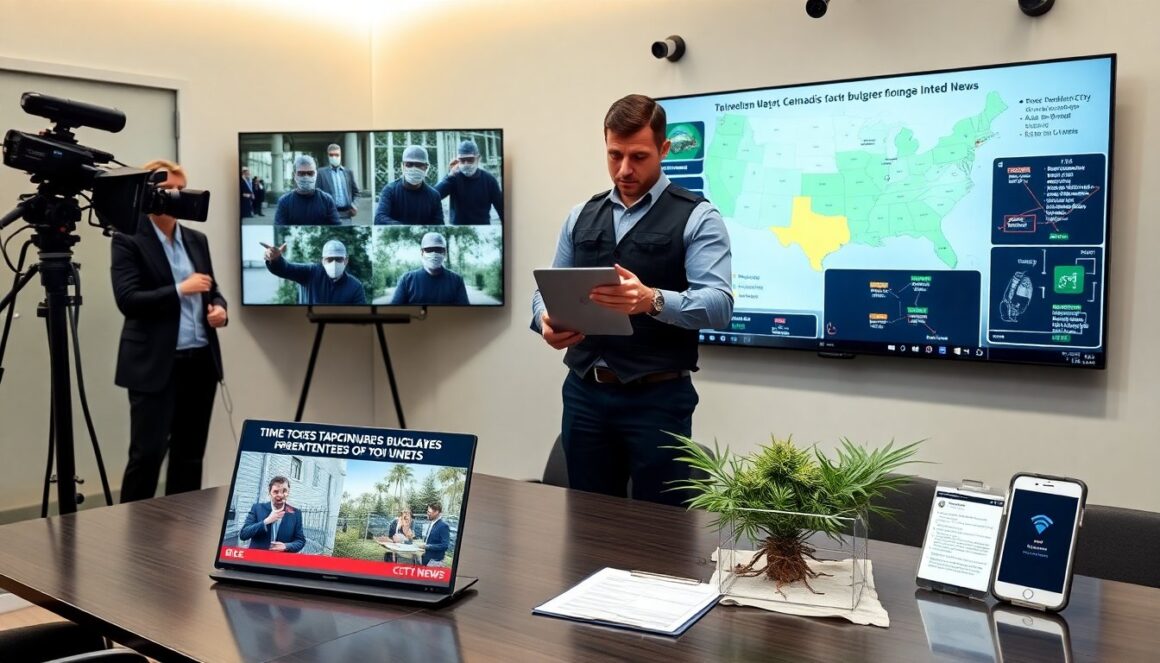
Reports show burglaries targeting cannabis have risen on the news in 2026. Law enforcement records and grower accounts show organized thefts and opportunistic break-ins. This article explains motives, common methods, and clear steps growers can take to protect plants and property.
Key Takeaways
- Burglaries targeting cannabis have increased due to high demand for finished products, mature plants, and valuable equipment.
- Growers can protect cannabis plants by implementing layered security measures like quality locks, fencing, motion-activated lighting, and surveillance cameras.
- Avoid sharing specific harvest dates and location details on social media to reduce visibility and prevent opportunistic thefts.
- Legal compliance, detailed inventory documentation, and proper insurance coverage are essential to mitigate financial losses from cannabis burglaries.
- Community watch groups and collaboration with local law enforcement enhance security during high-risk harvest periods.
- If targeted, growers should document the crime scene, secure evidence, notify authorities promptly, and update safety protocols to prevent future incidents.
Why Burglaries Are Targeting Cannabis: Motives, Methods, And Emerging Trends
Local police and industry analysts say demand drives most burglaries targeting cannabis. Criminals seek finished products, mature plants, and expensive equipment. Some thieves work alone and act opportunistically. Other groups plan thefts weeks in advance. They scout sites, track delivery schedules, and hit windows of low staff presence.
Thieves use simple tools and digital tactics. They cut fences, break locks, and enter during night hours. They also use social platforms to find vulnerable growers. Posts that show large harvests attract attention. Growers who share location tags create easy targets.
Recent trends show a rise in thefts from small legal grows and unlicensed indoor facilities. Organized rings now move product quickly to nearby buyers. They favor regions with lax tracking and high retail margins. They also steal lighting, ventilation, and drying gear, because these items sell fast and fetch good cash.
Investigators report thefts often link to other crimes. Stolen product can fuel street sales and support violent disputes. Police say repeat hotspots include rural grow sites, urban warehouses, and residential attics where growers hide operations. Insurance data shows claims now include both product loss and repair to damaged premises.
Growers and regulators note a seasonal pattern. Theft spikes around harvest months when plants reach peak value. Some thieves follow the calendar and time raids to maximize yield. Others exploit supply-chain gaps when retailers face shortages and pay higher prices for stolen stock.
High-Profile Incidents Reported In The News And What They Reveal
Major outlets covered several high-profile incidents in 2025 and 2026. In one case, thieves stole thousands of plants from a rural greenhouse and left extensive damage. In another case, masked assailants raided an urban warehouse and took product hours before a scheduled delivery. Journalists documented police arrests and ongoing investigations in both cases.
These stories reveal common weaknesses. Reported sites lacked secure perimeter barriers, remote monitoring, or clear access controls. They also showed that public visibility of operations can harm security. News footage of large outdoor grows drew attention and led to copycat thefts.
Reporting also highlighted law enforcement gaps. Some jurisdictions classify cannabis theft under general property crime statutes. That status can slow cross-jurisdictional cooperation. In other cases, officers work with industry task forces to track trafficking patterns. Collaborative efforts in several states led to arrests of multi-jurisdictional rings.
The news coverage stressed the role of technology in both crime and prevention. Reporters described suspects using encrypted messaging and burner phones to coordinate. They also covered growers who used smart cameras and cloud storage to capture evidence that led to prosecutions. These cases show that evidence, when collected promptly, helps prosecutions and insurance claims.
Finally, headlines brought public attention to the economic impact. Retailers reported short-term supply disruptions after large thefts. Workers at affected sites lost income when operations paused for repairs and replanting. The stories pushed some local officials to revise zoning and security guidance for licensed growers.
Practical Steps To Protect Plants And Property — Security, Legal, And Community Actions
Growers can reduce their risk with layered security. They should install quality locks, fencing, and motion-activated lighting. They should place cameras with clear views of entry points and retain footage off-site. They should avoid broadcasting harvest dates or exact locations on social media. When staff must share updates, they should omit location details.
Legal actions matter. Growers should document inventory and label major assets. They should keep receipts for large purchases and register serial numbers when possible. They should check local laws and ensure operations follow licensing and transport rules. Compliance helps in court and with insurers. Growers should consult an attorney when theft involves large losses or when cross-jurisdictional trafficking appears likely.
Insurance can reduce financial harm. Growers should review policy limits and exclusions before planting. They should ask insurers about coverage for product loss, equipment theft, and property damage. They should file claims quickly and provide clear evidence, including timestamps and witness statements.
Community steps increase safety. Neighbors and nearby businesses can form watch groups and share contact lists for off-hours. Growers can join local industry associations to exchange best practices. Operators can also work with local police to request routine patrols during harvest periods.
Technology offers practical tools. Access control systems can limit entry and record who arrives. Remote sensors can alert managers to temperature shifts or unauthorized entry. Growers should pair sensors with cameras to create time-stamped proof for law enforcement.
What To Do If You’re Targeted Or Witness A Theft
If someone witnesses a theft, they should call police immediately and avoid direct confrontation. They should provide a clear description of suspects, vehicles, and direction of travel. They should note the exact time and preserve any video evidence.
If a grower finds a theft, they should secure the site and document the scene with photographs. They should not touch potential evidence. They should contact law enforcement and their insurer right away. They should supply inventory records and footage to investigators.
Growers should share information with local growers and associations after an incident. They should report suspicious patterns to police and industry groups. They should consider temporary measures such as hiring security or pausing harvests until they strengthen defenses.
Finally, growers should debrief staff on safety steps. They should update procedures for cash handling, shift schedules, and visitor access. Clear procedures reduce risk and help staff act quickly if another incident occurs.