SavingThePlants bioplastic technology works as a plant-based route to replace fossil plastics. The team uses plant sugars and plant oils to make polymers that match common plastic properties. The company aims to lower carbon and reduce plastic waste. The description below explains the feedstocks, the chemistry, the manufacturing steps, and the likely uses in simple terms.
Key Takeaways
- SavingThePlants bioplastic technology works by converting plant sugars and oils into polymers that match conventional plastic properties while reducing carbon emissions.
- The technology uses fermentation and catalytic processes to produce monomers, which are polymerized and processed using standard manufacturing equipment.
- These bioplastics offer performance comparable to petrochemical plastics and have versatile end-of-life options including industrial composting, mechanical recycling, and chemical recycling.
- By sourcing feedstocks like corn sugar and sugarcane, the company supports local agriculture and aims to create sustainable supply chains and jobs.
- SavingThePlants bioplastic technology works to provide brands with drop-in solutions that meet industry standards, reduce reliance on fossil fuels, and fit existing recycling infrastructures.
What SavingThePlants Bioplastics Are And Why They Matter
SavingThePlants bioplastic technology works from plant-derived inputs to produce plastics that perform like conventional polymers. The company sources corn sugar, sugarcane, and non-food oil crops as feedstocks. It converts those feedstocks into monomers, and it links the monomers into polymers that form film, rigid parts, or fibers. The product aims to cut lifecycle greenhouse gas emissions when compared to oil-based plastics.
The team designs the polymers to meet industry specifications for strength, heat resistance, and barrier performance. They test the materials in standard labs and with brand partners. The company reports lower fossil carbon and reduced reliance on crude oil. Regulators and buyers value materials that offer lower carbon scores and predictable performance.
SavingThePlants bioplastic technology works toward plastic circularity in two ways. First, it reduces fossil inputs by using plants. Second, it enables end-of-life routes such as industrial composting or chemical recycling depending on the polymer mix. The approach matters because brands want materials that meet customer expectations while lowering climate impact. The method also helps regions with agricultural capacity to create local supply chains and jobs.
How The Technology Works: Feedstocks, Polymer Chemistry, And Manufacturing Process
SavingThePlants bioplastic technology works by following three clear steps: feedstock conversion, polymer synthesis, and manufacturing scale-up. First, it preprocesses plant sugars or oils. It ferments sugars into platform molecules or it upgrades oils into chemical building blocks. The process uses established biochemical and catalytic steps that industry already runs.
Second, it converts platform molecules into monomers. The chemistry uses known polymerization routes such as condensation and controlled radical polymerization. The scientists choose catalysts and reaction conditions to control molecular weight and polymer architecture. They design side chains and backbone links to tune stiffness, elongation, and thermal resistance.
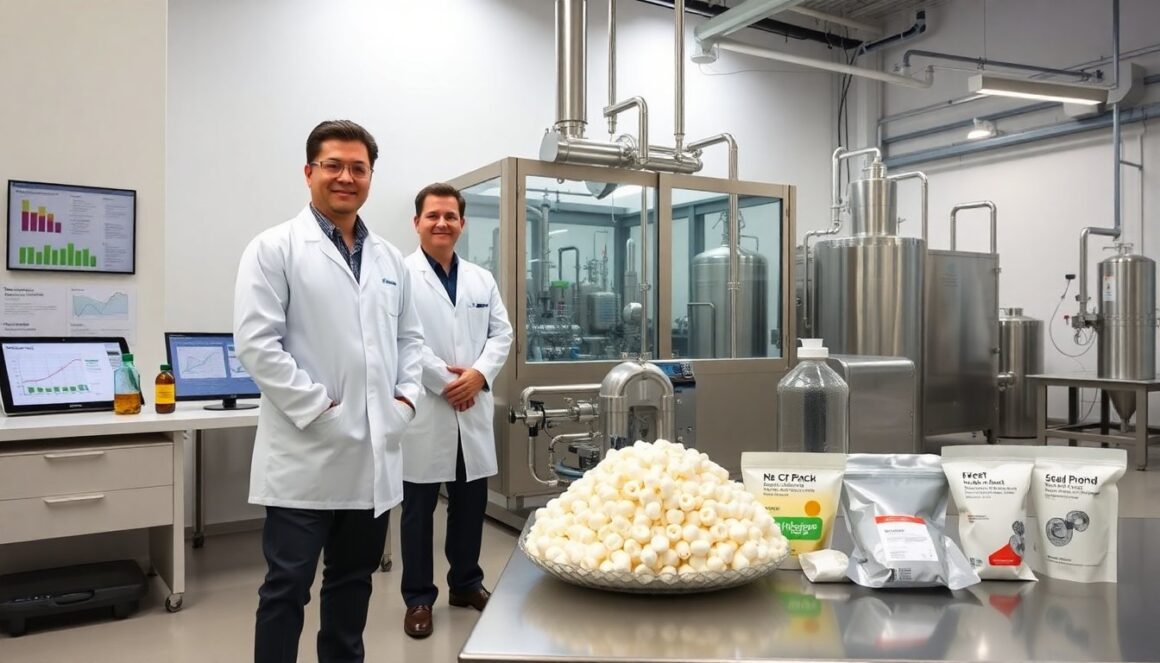
Third, it moves the polymer into standard manufacturing lines. The company pellets the polymers and runs them in injection molding, extrusion, and film-casting equipment. They adjust additives and compatibilizers to match grade requirements. Quality control checks include tensile tests, melt flow rate, and permeability tests.
SavingThePlants bioplastic technology works with attention to yield and cost. The team optimizes fermentation titer and catalyst lifetime to lower production cost. They also plan modular plants near feedstock sources to reduce transport emissions. Pilot plants validate scale, and long-lead engineering targets continuous operation for stable margins.
Performance, End‑Of‑Life Options, And Real‑World Applications
SavingThePlants bioplastic technology works to deliver performance on par with petrochemical plastics for many uses. The materials match PET-like clarity for bottles, HDPE-like stiffness for containers, and flexible-film behavior for packaging. The developers benchmark against industry standards and certify grades for food contact where needed.
For end-of-life, the company offers several options. Some grades meet industrial composting standards and break down under controlled heat and humidity. Other grades support mechanical recycling streams and mix with recycled PET or polyolefins when compatibilizers are present. The company also tests chemical recycling routes that depolymerize the plastic and recover monomers for reuse.
Brands apply the materials across packaging, consumer goods, and select automotive parts. Retailers use the film grades for flexible pouches and mailer bags. Beverage companies test bottle blends to lower lifecycle footprint. Automotive suppliers evaluate rigid grades for interior panels where lower embedded carbon adds value.
SavingThePlants bioplastic technology works under real-world constraints by balancing cost, feedstock availability, and recycling infrastructure. The company partners with waste managers and recyclers to fit grades into existing systems. The result aims to give companies a drop-in option that reduces fossil carbon while keeping product performance high.