SavingThePlants.com launches a public campaign to protect plants in 2026. The site aims to unite gardeners, volunteers, and local groups. It invites people to share resources and to act on clear steps. The project sets simple goals for habitat, species lists, and local events. It tracks progress and reports results. The platform uses community data to guide local restoration and outreach.
Key Takeaways
- SavingThePlants.com mobilizes communities to protect plant diversity through local habitat restoration and practical actions.
- The platform supports home gardeners with native plant lists and easy guides to foster biodiversity and help pollinators.
- Key threats like habitat loss and invasive species are addressed by targeted local responses and prompt reporting via SavingThePlants.com.
- Homeowners can take five simple, cost-effective steps to restore native plants and track progress using the site’s resources.
- SavingThePlants.com enables coordination among volunteers, schools, and officials with tools for events, seed swaps, and educational materials.
- Impact is measured by metrics like native species planted and volunteer hours, with stories and photos shared to inspire widespread participation.
The Mission And Target Audience Of SavingThePlants.com
SavingThePlants.com focuses on protecting plant diversity in towns and cities. The site serves home gardeners, community groups, schools, and local officials. It educates people on native species and on practical habitat work. It connects volunteers with local projects and with seed exchanges. The platform publishes easy how-to guides and local plant lists. It highlights plant loss and shows measurable ways to help. The project asks communities to record plant sightings and project outcomes. It welcomes reports, photos, and short field notes.
The Biggest Threats To Plant Biodiversity Right Now
SavingThePlants.com identifies habitat loss as a leading threat to plants. Urban growth removes native vegetation and fragments populations. Invasive species spread and outcompete local plants. Climate shifts change seasonal cues and water availability. Overuse of chemicals kills beneficial insects and microbes. Poor land management erodes soil and reduces seed banks. Illegal collection and trade threaten rare plants. Each threat reduces local plant numbers and genetic diversity. The site lists threats by region and recommends focused local responses. It encourages reporting new threats quickly to inform action.
Five Practical Actions Home Gardeners And Neighbors Can Take
SavingThePlants.com lists five actions that neighbors can apply immediately. Each action uses local knowledge, low cost, and measurable outcomes. The site provides checklists and quick-start plans for each action. It tracks participant progress and shares results with the community. The actions aim to restore native plants, reduce harm, and increase local awareness.
Choose Native Plants And Build Local Habitat
Choose native plants for yards and public spaces. Native plants support local insects and birds. The site offers regional plant lists and planting calendars. Plant groups of the same species to help pollinators find them. Create small habitat features such as log piles and shallow water dishes. Replace lawn where possible with native meadow or shrub beds. Record planted species and timing on SavingThePlants.com to build community data. Share photos and simple care notes to help neighbors replicate success.
Turning SavingThePlants.com Into A Local And Global Community Hub
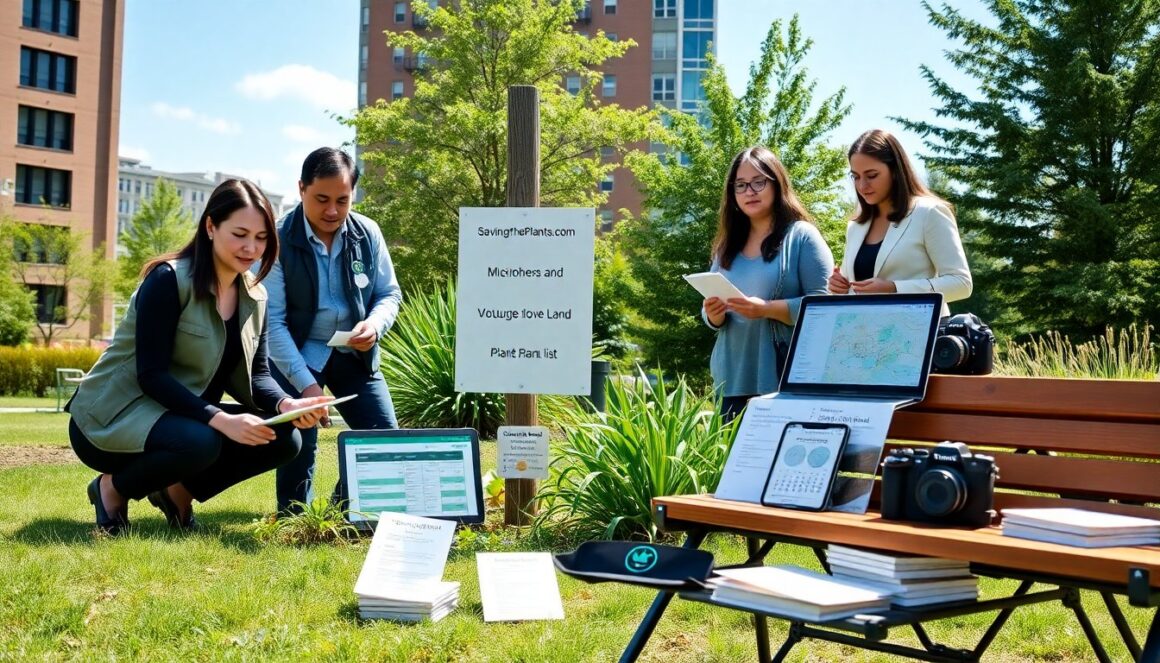
SavingThePlants.com builds tools for local groups to coordinate. The platform offers event pages, volunteer sign-ups, and seed swap directories. It provides forums for local experts and for new gardeners. The site links neighborhoods with conservation groups and municipal programs. It trains community leaders with short video lessons and printable guides. It supports local mapping of native patches and restoration sites. The platform encourages partnerships with schools and libraries to expand reach. It invites translations and region-specific pages to support global participation.
Measuring Impact: Simple Metrics, Stories, And How To Share Success
SavingThePlants.com uses simple metrics to show progress. The site counts planted native species, restored habitat area, and volunteer hours. It records pollinator sightings and plant survival rates after one year. The platform collects short stories and photos from participants. It publishes monthly summaries and maps that display local wins. The site offers templates for social posts and press notes to help teams share results. It suggests measuring small wins such as a restored garden bed or a school planting day. The site uses these metrics to refine guidance and to inspire more people to act.
