
Do you want to be the kind of traveler that cleans up after themselves?
Protected lands and natural areas are some of the most beautiful places on earth. Every year, millions of people flock to see them. And truthfully, most visitors have good intentions.
But having good intentions doesn’t always equal positive impact.
Incivility from tourists and travelers is destroying natural areas worldwide. But don’t sweat — if you want to explore nature properly, this guide will teach you how.
Things you’ll learn
- Why practicing traveler etiquette is more important than ever
- An overview of Leave No Trace principles
- Proper smoking etiquette + disposal techniques in natural areas
- Wildlife protection rules + trail etiquette guidelines
- How To Be a Better Visitor
- Final thoughts
Why Traveler Etiquette is Important Right Now
Did you know…
In 2023, 325 million visits were recorded to U.S. national parks and federally administered public lands. Imagine that many people tromping through areas that might not ordinarily see that kind of traffic otherwise.
Visitors leaving behind trash is one of many problems.
Over 100 million pounds of trash is pulled from U.S. national parks every year. Litter burns in wildfires. Plastic pollutes oceans and waterways. Food waste attracts and endangers wildlife. Nothing good comes from leaving trash behind in natural areas.
But the problem isn’t malicious visitors.
The problem is that not enough visitors know how to take care of these places properly. Many folks don’t realize that erosion from walking off trails, parking in unplanted areas, or littering can cause irreparable harm.
What is Leave No Trace?
Leave No Trace has become something of a catchphrase for outdoor recreation. But that doesn’t make it any less important.
In fact, leaving zero trace of a visit to a natural area should be every visitor’s goal when exploring outdoors.
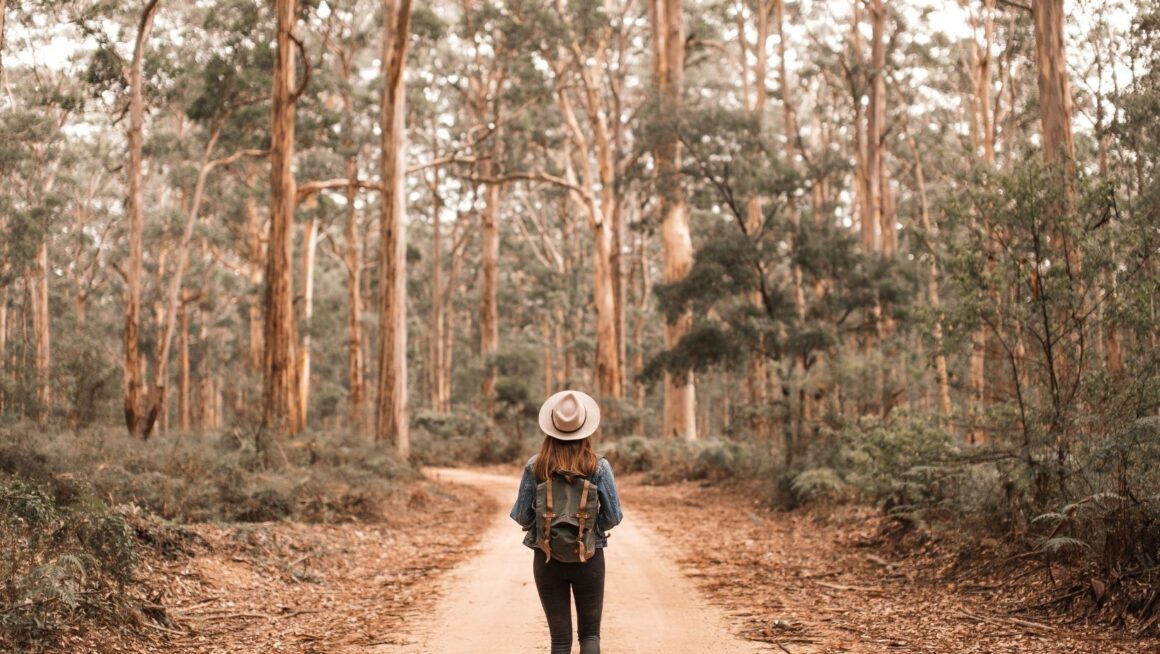
Whether hiking through the backcountry or walking a city park trail, educating yourself on the rules for how to act is essential. Learn what to do with waste. Always follow guidance about how to respect wildlife and habitat.
When enough visitors ignore these rules, natural areas begin to suffer.
Smoking & Trash Disposal: Natural Areas Edition
Not sure how smoking cigarettes outdoors factors into bad visitor etiquette? Read on.
Smoked cigarette butts are everywhere. Studies show cigarette butts are the largest constituent of trash found in parks.
The biggest issue with cigarette litter? They’re not biodegradable.
Like any litter left in natural areas, cigarette butts pollute the environment. But since they’re made to hold onto heat from those lingering embers, they also contain chemicals that seep into the ground and waterways.
That’s why visitors who smoke should take extra care when traveling through natural areas.
Bringing a portable ashtray or disposal bag makes all the difference. Better yet, packing your own cigarettes before the trip means no last-minute searching on the trail. Brands like elite cigarettes offer cigarettes fast delivery options, so stocking up before heading out is simple and straightforward.
When smoking in natural areas:
- Never light up near dry vegetation or in fire risk areas
- Extinguish cigarette butts all the way. Ensure they are cold to the touch before throwing in the trash
- Pack out cigarette butts. Throw them in a sealed container first.
And of course, follow any signs or posted policies about smoking near trail heads or entrances to natural areas.
Wildlife & Trail Rules for Visitors to Remember
It’s tempting to feed birds or take selfies with chipmunks. But even harmless-seeming interactions compound to stress out local wildlife.
Animals that become reliant on human food may face consequences like relocation or euthanasia from park officials. Even getting too close to newborn animals or babies can cause mothers to abandon their young.
Once again: be sure to know the rules of the park being visited. These fewets apply in most places.
Wildlife protection tips:
- Give wildlife space. At least 100 yards away from large animals.
- Don’t feed any animals. Seriously.
- Stay on marked trails at all times. Cutting switchbacks and walking off-trail destroy ground vegetation and cause erosion.
- Avoid disturbing wildlife with loud noises. This is particularly important during feeding times at dawn and dusk.
Visiting natural parks is a privilege. Don’t act like you own the place.
Becoming a Better Visitor
Consider this. Practicing good visitor etiquette isn’t hard.
These are basic behaviors that every visitor should abide by whenever visiting public land. Whether you are roughing it in a backcountry campsite or relaxing after a day of exploring at the Westgate Smoky Mountain Resort & Water Park, mindful travel habits ensure these beautiful landscapes stay protected. But As sure as parks geotag themselves on Instagram, everyone slips up every once in a while, but keeping conservation in mind makes a massive difference.
That’s ok.
When more visitors hold themselves accountable for their actions, these spaces can stay open and healthy for everyone to enjoy. So make a commitment to do better:
Do’s and don’ts for better visitor behavior:
- Don’t bring in more trash than can be carried out.
- Visit centers often. Restrooms, trash receptacles, and recycling bins are your friends.
- Travel in small groups to reduce impact on parks.
- Respect seasonal closures and packed trails. Park boundaries and trail closures exist for a reason.
- Spread the word. Teach friends and family how to better take care of these places too.
Nobody is perfect. But doing your best, and encouraging others to do the same, is all anyone can ask for.
Before you hit the trails
Leaving protected or natural spaces cleaner than they were found isn’t difficult. But it does take diligence.
There’s no guarantee every visitor will do the right thing. But if every visitor who reads this blog does better, that’s a start.
Remember:
- Familiarize yourself with Leave No Trace principles.
- Properly dispose of waste. Cigarette butts too!
- Respect wildlife. Always stay on designated trails and avoid obstructing wildlife with food or noise.
- Plan ahead by using restroom facilities and leave trash at visitor centers.
- Set an example by taking care of these places as if they were your own.
No one gets to own the outdoors. Everyone can visit.
But tread lightly, visitors. The Earth will thank you.