When to Replant and When to Let Go Responsibly
If you’ve ever stared at a struggling plant and felt that familiar mix of stress and hope, you’re not alone. Plant care can feel personal. You water, you adjust the light, you research at midnight… and still, the leaves droop like they’re unimpressed with your effort. The truth is, a big part of becoming a better gardener is learning to save the plants without turning plant care into emotional self-punishment. Some plants can absolutely bounce back with the right intervention. Others won’t, no matter how much love you pour into the pot. And the mature, responsible skill is knowing which situation you’re dealing with. This article will help you decide when to replant and when to let go using real signs, realistic expectations, and a calm, grounded approach. The goal isn’t perfection. The goal is clarity and confidence.
Replanting vs. letting go: define the decision properly
Let’s define the two options clearly, because the mistake most people make is thinking this decision is simply “try harder or quit.” It’s not.
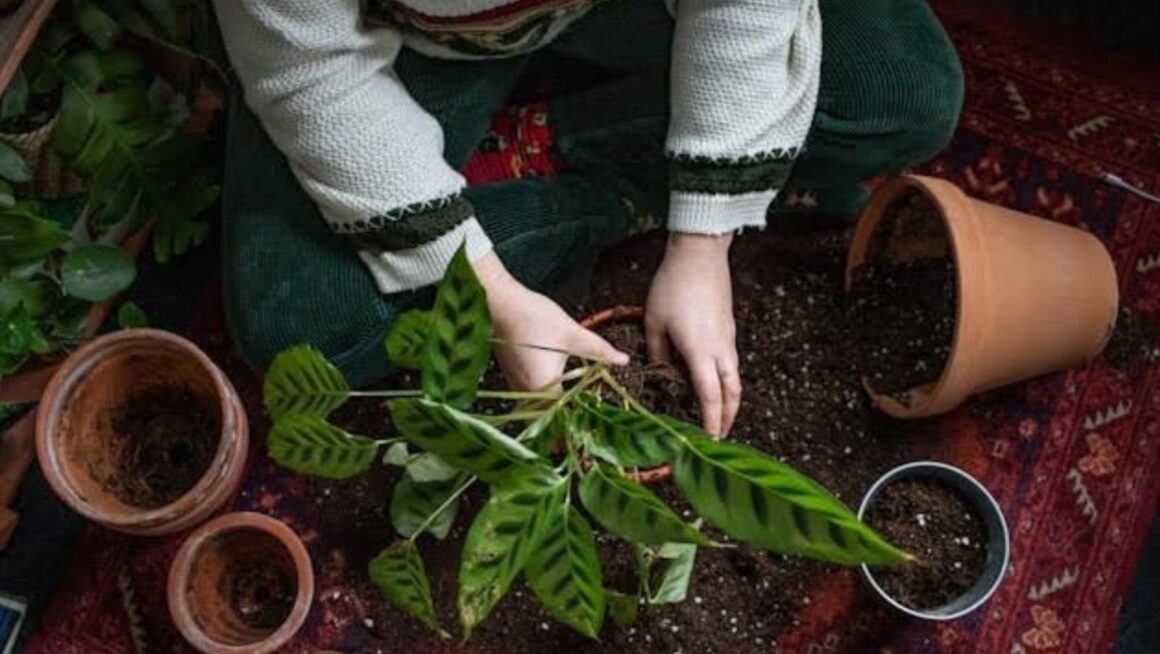
Replanting means you’re resetting the growing conditions: the soil, the pot, the drainage, and sometimes the location and routine. You’re not just moving a plant—you’re giving it a system that actually supports recovery. In many cases, replanting works because it solves the hidden problem at the root level.
Letting go responsibly, on the other hand, doesn’t mean you failed. It means you recognize a limit: the plant is too damaged, the environment is not compatible, or the effort-to-success ratio is no longer reasonable. Responsible letting go includes learning from the situation, salvaging what you can if possible, and avoiding waste in how you dispose of the materials.
The 60-second diagnosis: fast checks before you do anything
When a plant looks rough, it’s tempting to immediately water it, fertilize it, move it, and basically throw everything at it in one anxious sprint. But plants don’t respond well to panic. Before you do anything, take one minute to diagnose what’s happening.
Start with the leaves. Yellow leaves can mean too much water, too little light, or a nutrient issue. Crispy leaves may suggest underwatering, too much sun, or dry air. Spots, speckling, and strange patterns can hint at pests or fungal problems. Leaf symptoms are useful, but they’re not the final answer, because leaves often show the effects, not the cause.
Next, check the stem close to the base. A healthy stem feels firm. If it’s soft, mushy, or collapsing, you may be dealing with rot—and rot is one of the biggest reasons replanting either helps dramatically or fails completely.
Finally, the roots tell the real truth. If you can slide the plant out of its pot, do it. Healthy roots are light-colored and firm. Unhealthy roots are dark, slimy, or smell sour. The soil itself is also part of the diagnosis. If it stays wet for too long, drains poorly, or has a crusty buildup on top, it may be stressing the plant every day even if you’re “doing everything right.”
When to replant: the “high success chance” situations
Replanting is a great choice when the plant still has life in it, and the problem is structural, not terminal. In other words: when the plant is stressed, but the situation is fixable.
One of the most common reasons to replant is root crowding. A rootbound plant can look thirsty even when it’s being watered, because the roots have nowhere to expand and absorb moisture properly. If the plant perks up briefly after watering and then collapses again, that’s often a sign the root system is struggling inside an undersized pot.
Another strong reason is degraded or inappropriate soil. Over time, soil can compact and lose airflow. Some mixes become hydrophobic, meaning they dry out and then refuse to absorb water again. Other mixes stay constantly wet, which suffocates roots and invites rot. In both cases, the plant isn’t failing because you’re “bad at plants.” It’s failing because the environment in the pot is no longer functional.
Replanting also makes sense if the pot and conditions don’t match the plant’s needs. A pot without drainage, for example, creates a constant risk. A pot that’s far too large can keep soil wet for too long and quietly push the roots toward decay. Even location can justify replanting—especially if the plant is in a place where it’s getting far less light than you think.
When replanting is a mistake (and can make it worse)
Here’s the uncomfortable truth: replanting is not always the kindest thing you can do. Sometimes it adds stress to an already overwhelmed plant.
If a plant is already struggling to stay upright, disturbing the roots can be the final push past the point of recovery. The same goes for a plant that’s severely dehydrated—repotting can damage brittle, already-weakened roots instead of helping them rebuild. And if pests are involved, repotting without treating the infestation first can spread the problem, weaken the plant further, and turn one issue into three.

A common overlooked situation is moving to a new home. Even if the plant looks fine at first, a change in temperature, humidity, light direction, and airflow can shock it. When a plant is stressed from a new environment, repotting right away is often a mistake, because it stacks stress on top of stress. In many cases, the smarter move is to let it settle, watch how it reacts, and only intervene once it shows stable signs of adjustment.
Timing matters, too. Some plants hate having their roots disturbed during dormancy or during extreme temperature swings, and repotting at the wrong moment can delay recovery instead of speeding it up.
This is where many plant owners get stuck in a loop: “It looks worse, so I’ll do more.” But more isn’t always better. The best approach is to plan and organize in advance, even for small plant decisions. A simple plan—what you’re changing, why you’re changing it, and what success looks like—creates calm, protects the plant from over-handling, and prevents chaos-care.
Letting go responsibly: what to do instead of just trashing it
If you decide it’s time to let go, you still have options that are thoughtful and responsible.
Sometimes, you can salvage part of the plant. A healthy cutting can become a new plant. Even when the main plant fails, a small living section can carry the genetics forward.
If the plant is diseased or heavily infested, it’s often best not to compost it unless you have a system that reliably breaks down pathogens. In that case, discarding it carefully is the responsible choice, because it prevents spread to future plants.
You can also reuse and clean what remains: pots, trays, and tools. The point is that letting go doesn’t have to be wasteful. It can be a decision that supports a sustainable lifestyle, where you respect what you used, reduce future problems, and move forward smarter.
A simple decision framework you can reuse anytime
When you’re overwhelmed, you don’t need a complicated system. You need one clear framework you can apply quickly.
Replant if the plant still has healthy roots and viable growth potential, and the problem is fixable through soil, pot, drainage, or placement. Let go if the crown is rotted, the roots are mostly dead, and there’s no stable living tissue left to restart from. If you feel unsure, pause, observe for a few days, and re-check roots before making a drastic move.
This is also a practical way to be sustainable in everyday life: you avoid waste by acting earlier when a plant can still be saved, you stop pouring resources into hopeless rescues, and you build a home ecosystem that supports healthy growth rather than constant emergencies.
Now you know when to replant and when to let go
Replanting can be a reset. Letting go can be wisdom. And neither option has to come with guilt attached. The responsible gardener isn’t the person who never loses a plant. It’s the person who makes clear decisions based on real signs, who learns quickly, and who doesn’t turn plant care into a personal verdict on their worth. If you take one thing from this guide, let it be this: knowing when to replant and when to let go is not quitting. It’s competence. It’s stewardship. And it’s how you create healthier plants—and a calmer, more sustainable relationship with your garden and home