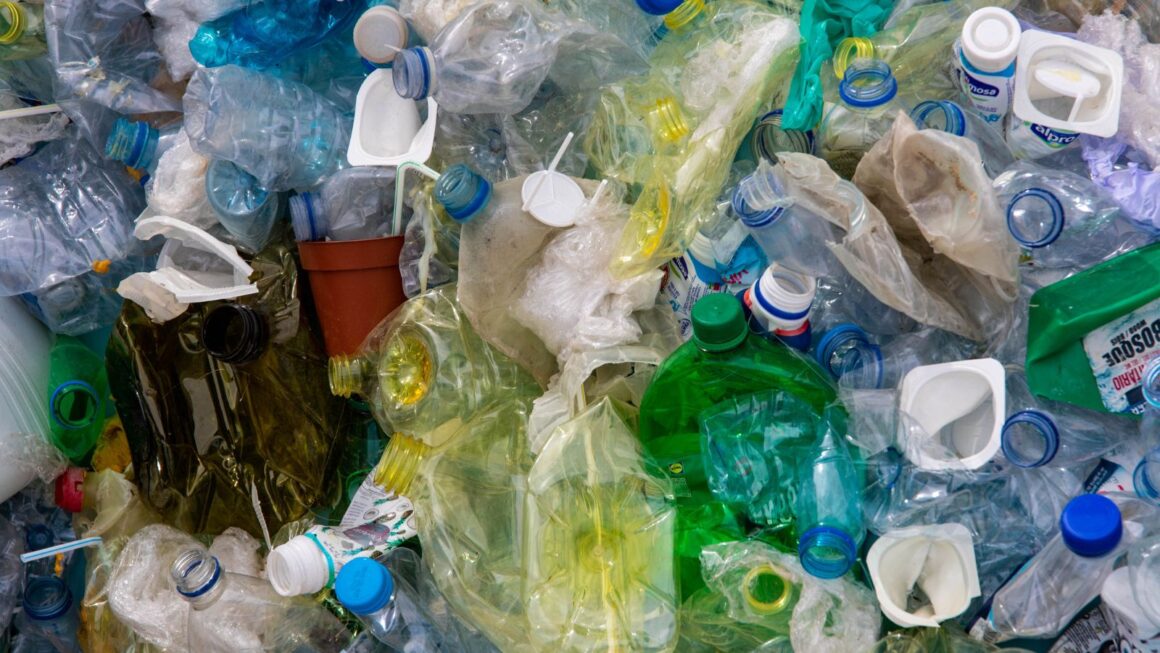
Plastic waste is piling up fast, and your business could be making it worse or leading the way to fix it.
Many companies don’t know how much business waste they create or how recycling can help them. Nevertheless, plastic waste recycling can lower your costs, help the planet, and make your brand stronger.
The Plastic Waste Problem in Business
Plastic is everywhere in business. You see it in packaging, containers, wrapping, shipping supplies, and even in your products. It’s easy to use and cheap, and it doesn’t go away.
Types of Plastics Used by Businesses
You may not know it, but not all plastics are the same. Here are some types you’ve probably used:
- PET (Polyethylene Terephthalate) – clear bottles and food containers
- HDPE (High-Density Polyethylene) – detergent bottles, crates, piping
- LDPE (Low-Density Polyethylene) – shopping bags, liners, stretch wrap
- PP (Polypropylene) – bottle caps, straws, food tubs
- PVC (Polyvinyl Chloride) – pipes, credit cards, some food packaging
Each of these needs different handling when it comes to recycling. That’s where it gets tricky and where your business can get it wrong.
The Bigger Impact
Throwing plastic in the trash may seem quick and easy. However, that waste ends up in landfills or oceans. It breaks into tiny pieces, called microplastics, that hurt wildlife, food chains, and water supplies.
There’s also a business cost. If your waste isn’t sorted or recycled, you can be fined. Your brand may also take a hit if customers think you’re harming the environment.
More and more cities are passing rules about business waste. If you don’t keep up, you could fall behind.
The Business Case for Plastic Recycling
Recycling is more about doing the right thing. It can also help your business grow and save money.
Smart Money Moves
Recycling plastic waste helps cut down your trash collection bills. It also reduces what you send to landfills, which often costs more than recycling.
Some types of plastic, such as clean HDPE, can be sold to recyclers. That means waste turns into income. Add to that possible tax breaks for going green, and recycling starts to look like a smart investment.
A Cleaner Brand Image
Customers notice what you do. If you show you care about the planet, they’re more likely to stick with you. Big companies already talk about sustainability. If you don’t, you risk being left out.
Recycling also helps lower your carbon footprint, which can help with ESG goals or meet buyer demands.
How Plastic Waste Recycling Supports the Circular Economy
The world used to run on a linear economy. You take materials, make products, use them, and throw them out. However, that’s not working anymore.
The Circular Economy Model
In a circular economy, you design waste out of the system. Plastics get reused, repurposed, or recycled. Nothing goes to waste.
When your business recycles plastic, you become part of this model. You keep materials in use longer, cut down on new plastic, and lower emissions. It’s better for the planet and your bottom line.
Implementing an Effective Plastic Recycling Program
It’s not always simple to start. However, if you have a plan, you can build a strong program that works.
Start with a Waste Audit
Figure out what kind of plastic waste you create. Track where it comes from, how much you throw out, and what’s recyclable. This will help you focus your efforts and reduce contamination, which can make whole bins of recycling useless.

Find a Good Recycling Partner
Not all waste companies recycle the same way. Some send items overseas or burn them. Others handle only certain plastics. Ask questions:
- What plastics do they take?
- Where does the recycling go?
- Do they provide reports or data?
Look for certified recyclers and ask for proof of what happens to your materials.
Train and Motivate Your Team
Even the best plan fails if your staff isn’t on board. Teach your people what plastics can be recycled. Label bins clearly. Share your progress. Celebrate wins.
When employees care, your system works better, and your recycling stays clean.
Innovations in Plastic Waste Recycling
Technology is moving fast, and it’s changing how we deal with plastic.
New Ways to Recycle
Traditional recycling, called mechanical recycling, shreds and melts plastic. However, new technology like chemical recycling has broken down plastics back into oil or gas. These methods work better on dirty or mixed plastics.
Enzymes that eat plastic and processes like pyrolysis are also on the rise. While not yet mainstream, they’re giving hope to harder-to-recycle materials.
What’s Coming Next
Expect to see AI helping sort plastic at recycling centers. New laws are also pushing companies to use recycled content. This will open up more markets for recycled plastic and more pressure to recycle well.

Overcoming the Biggest Challenges
Many businesses struggle with plastic recycling because it feels hard, expensive, or unclear. But every problem has a solution.
- Confusing rules? Work with a local expert or waste consultant.
- No service nearby? Try teaming up with other businesses to create demand.
- Worried about costs? Start small. The savings add up over time.
- Employee pushback? Get them involved early and explain the why.
- Not sure who to trust? Ask vendors for transparent reporting and check reviews.
It may not be perfect at first. But starting now puts you ahead of the curve.
Conclusion
Plastic waste is a big challenge, but it’s also a big opportunity. Recycling can help the planet while boosting your brand, cutting your costs, and preparing your business for the future.
Start with a simple waste audit. Look at what plastic you use, what you throw out, and what you can change. Then, reach out to a trusted recycling partner to explore your options. Build a plan that fits your goals and stick to it.