
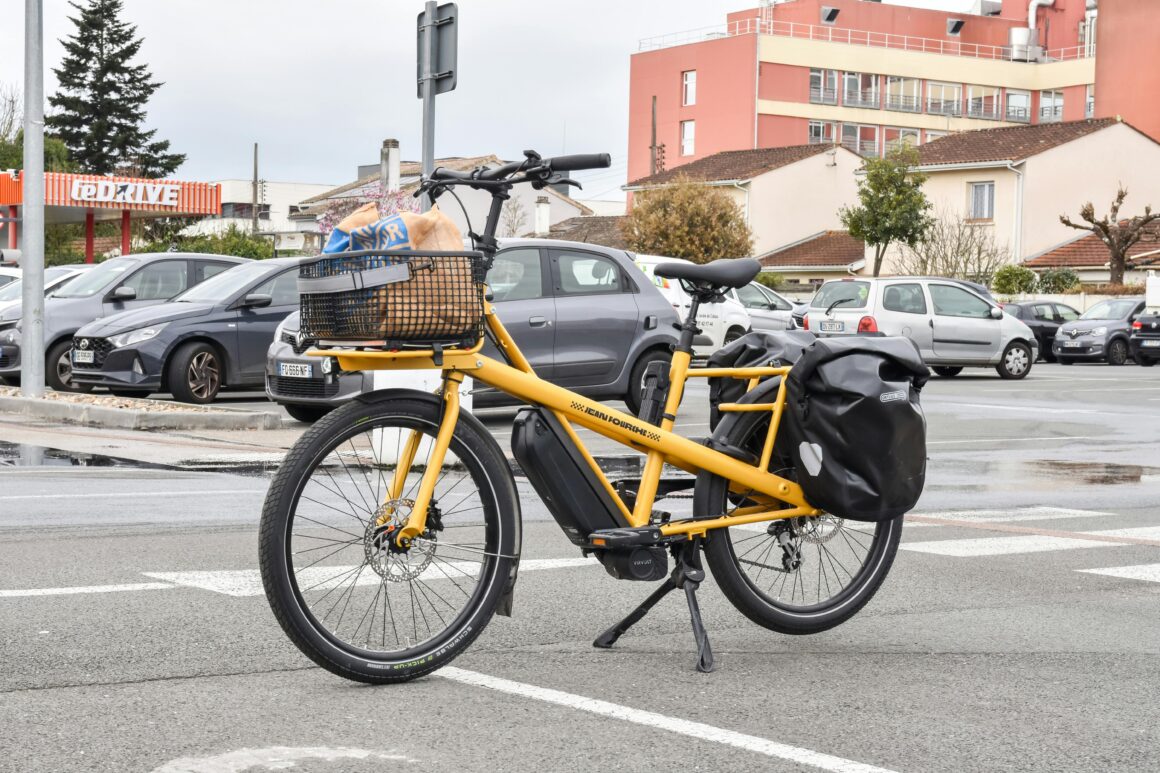
The rise of e-bike commuting in sustainable cities reflects a major shift in how urban transportation systems are evolving. As cities face growing challenges such as traffic congestion, air pollution, and rising transportation costs, electric bikes have emerged as a practical and eco-friendly alternative to traditional commuting methods. Combining pedal power with electric assistance, e-bikes make daily travel more efficient, accessible, and adaptable to a wide range of urban environments. From reducing carbon emissions to improving mobility for longer or hillier routes, they are quickly becoming a key component of modern green city initiatives.
Environmental Impact
E-bike commuting is rapidly becoming a defining feature of sustainable urban development. As cities face increasing pressure to cut carbon emissions and improve air quality, electric bikes are emerging as a practical and scalable solution for everyday transportation.
Unlike cars, e-bikes produce no direct emissions during use. When they replace short car trips—often the most polluting per kilometer due to cold starts and congestion—they can significantly reduce overall CO₂ output. Studies across urban transport systems consistently show that even a modest shift from private vehicles to e-bike commuting leads to measurable declines in greenhouse gas emissions.
Beyond carbon reduction, e-bikes also play a crucial role in improving urban air quality. Traditional combustion-engine vehicles contribute heavily to nitrogen oxides (NOx) and particulate matter, both of which are linked to respiratory illnesses and other health problems. By encouraging more commuters to switch to electric bikes, cities can reduce traffic-related pollution hotspots, particularly in dense downtown corridors and residential neighborhoods near major roads.
Another often overlooked benefit is the reduction in traffic congestion. E-bikes take up far less space than cars and can use bike lanes or dedicated cycling infrastructure. This helps improve traffic flow, reduce idle emissions, and make urban transportation systems more efficient overall.
From a sustainability perspective, e-bikes also require far fewer resources to manufacture and maintain compared to cars. Their lower energy consumption per kilometer further strengthens their role in supporting green mobility transitions.
Viribus offers a range of electric bicycles designed with everyday commuting and efficiency in mind. Their models typically focus on energy-efficient motors, durable frames, and user-friendly designs that support both urban commuting and recreational riding. For riders who want to reduce their carbon footprint while still maintaining convenience and comfort, they can be a solid entry point into e-bike commuting.
Cities Infrastructure Growth
The rise of e-bike commuting in sustainable cities is closely tied to rapid infrastructure growth, as urban planners increasingly recognize that supportive physical systems are essential for long-term adoption.
One of the most visible changes is the expansion of dedicated bike lane networks. Cities are moving beyond isolated cycling paths and investing in connected, citywide systems that allow commuters to travel safely and efficiently across longer distances. Protected bike lanes, in particular, are becoming more common, offering physical separation from vehicle traffic and improving safety for e-bike riders who often travel at higher speeds than traditional cyclists. This network effect encourages more people to switch from cars to e-bikes, especially for daily commuting.
At the same time, urban design is evolving to better accommodate charging needs. While e-bikes typically rely on removable batteries that can be charged at home or work, public charging infrastructure is gradually being introduced in high-traffic areas such as transit hubs, office districts, and parking facilities. This added convenience reduces “range anxiety” and supports longer, multi-stop urban commutes.
Cities are also integrating e-bike infrastructure into broader transportation systems. Bike parking facilities are being expanded at subway and bus stations, enabling seamless multimodal commuting. In some regions, secure charging lockers and smart docking stations are being tested to further streamline usage and reduce theft risks.
Beyond physical infrastructure, digital integration is also playing a role. Smart traffic systems and cycling navigation apps are increasingly optimized to highlight safe bike routes, elevation-friendly paths for e-bikes, and real-time congestion updates.
Economic and Practical Benefits
The rise of e-bike commuting in sustainable cities is not only driven by environmental goals, but also by clear economic and practical advantages that make them an increasingly attractive option for daily travel.
One of the most immediate benefits is the significant reduction in commuting costs. Unlike cars, e-bikes do not require fuel, and their electricity consumption is minimal, often costing only a few cents per charge. This makes them far more affordable to operate on a daily basis. In addition, commuters can avoid expensive expenses such as parking fees, tolls, insurance premiums, and regular maintenance costs associated with motor vehicles. Over time, these savings can add up to a substantial financial advantage, especially for urban residents who commute frequently.
E-bikes also offer a highly practical solution to urban congestion. In many cities, traffic delays can make car commuting slow and unpredictable, particularly during peak hours. E-bikes, however, can use dedicated bike lanes and alternative routes that bypass gridlocked roads, often resulting in faster and more consistent travel times. For short to medium-distance trips, they frequently outperform cars in terms of door-to-door efficiency.
Another practical advantage is flexibility. E-bikes allow riders to combine physical effort with electric assistance, making longer commutes or hilly routes more manageable without arriving overly fatigued. This balance of convenience and control makes them suitable for a wide range of users, from daily office commuters to delivery workers.
Additionally, parking becomes far simpler. Instead of searching for limited and costly parking spaces, e-bike users can park closer to their destination, often at dedicated bike racks or secure storage areas.
Health and Wellness
E-bikes contribute significantly to health and wellness by encouraging more active and sustainable lifestyles without the intensity barriers often associated with traditional cycling or other forms of exercise.
One of their key advantages is that they make physical activity more accessible. The electric assistance helps riders manage challenging conditions such as steep hills, long distances, or strong winds, which might otherwise discourage regular cycling. This means more people—including those who are less physically fit, older adults, or returning to exercise after a break—can comfortably incorporate movement into their daily routines.
Importantly, e-bike riding still involves meaningful physical effort. Riders continue to pedal, engage core muscles, and maintain balance, all of which contribute to cardiovascular health and muscle activity. The difference is that the level of exertion is adjustable, allowing users to choose how much assistance they need depending on the route or their energy level that day.
This flexibility encourages consistency, which is a key factor in long-term health benefits. Instead of viewing exercise as a separate, time-consuming activity, e-bike commuting integrates moderate physical activity into everyday travel. Even short daily rides can improve stamina, support heart health, and contribute to better overall fitness.
E-bikes also have positive effects on mental well-being. Commuting by bike can reduce stress compared to driving in traffic, while exposure to outdoor environments and fresh air contributes to improved mood and reduced fatigue.
Conclusion
The growth of e-bike commuting signals more than just a transportation trend—it represents a fundamental change in urban mobility. By offering environmental benefits, lowering commuting costs, reducing traffic pressure, and supporting healthier lifestyles, e-bikes align closely with the goals of sustainable city development. As infrastructure continues to expand and adoption increases, e-bikes are set to play an even greater role in shaping cleaner, more efficient, and more livable urban spaces in the years ahead.