
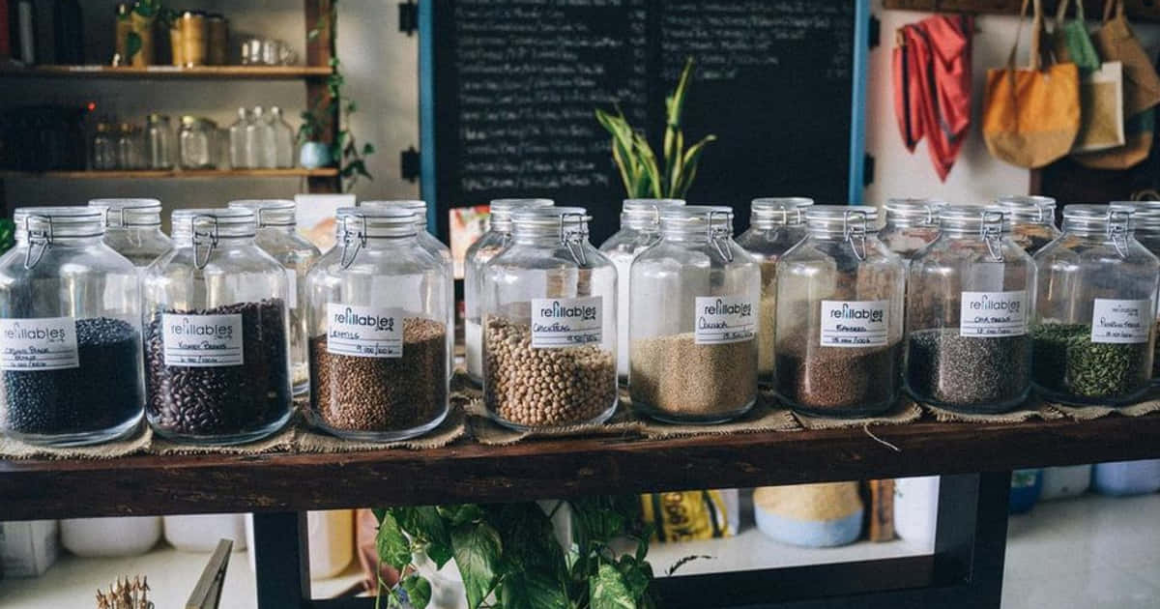
In a quiet corner of a working garden, a careful decision begins long before the soil is turned. The gardener studies seed packets, not for color or yield alone, but for origin, resilience, and ecological impact. This moment reflects a broader transformation in cultivation practices, where sustainability is no longer optional but essential.
Across modern horticulture, experts emphasize that seeds carry the blueprint of environmental outcomes. Their genetic traits shape plant health, soil interaction, and stress resistance. Choosing the right seeds matters. It can reduce the need for chemicals. It also supports long-term productivity. This approach is often overlooked in conventional farming systems. Recent agricultural studies show that diversified planting systems can greatly improve resilience against climate stress. These systems perform better under changing conditions and reduce crop failure risks. This evidence reinforces a simple truth. Responsible gardening begins with informed seed selection. It shapes both harvests and the surrounding ecosystems over time.
Key Takeaways
The article discusses the importance of sustainable seed choices in responsible gardening, emphasizing the role of seeds in ecological balance and climate resilience.
- Choosing seeds with genetic diversity and resilience can reduce the need for chemicals and improve long-term productivity.
- Diversified planting systems enhance the garden’s ability to withstand climate stress, reducing risks of crop failure.
- Heirloom and landrace seeds are crucial for their adaptability to environmental extremes and in preserving biodiversity.
Foundations of sustainable seed selection
The gardener begins with a deliberate choice, favoring seeds with history and proven adaptability. Heirloom varieties, passed through generations, offer more than tradition. They contain genetic diversity that allows plants to adjust naturally to pests, diseases, and shifting conditions without heavy intervention. Scientific research supports this preference. Crops grown from genetically diverse seeds show greater resistance to widespread plant diseases. This resilience reduces the need for synthetic fertilizers and pesticides, which often degrade soil quality over time. In this way, seed selection becomes a practical tool for maintaining ecological balance.
Attention also turns to seed sourcing. Ethical seed producers focus on sustainable farming practices. They avoid harmful modifications and prioritize environmental responsibility. Some growers also explore options like autoflower seeds USA. This helps them understand how genetics influences growth cycles and adaptability. It reflects a deeper awareness of efficient and responsible cultivation.
Biodiversity strengthened through mindful gardening
As the garden develops, diversity becomes its defining strength. A mix of plant species creates a stable environment where insects, birds, and microorganisms interact in balance. Native plants play a critical role, offering familiar food sources and shelter for local wildlife. Environmental data shows a steady decline in pollinator populations. Habitat loss and chemical exposure are major causes. Gardens can help address this issue. Those who prioritize diverse and native species make a difference. Even small spaces contribute to ecological recovery. With careful management, they help restore natural networks over time.
There is also a quieter form of preservation happening. Many traditional plant varieties are slowly disappearing from common use. Gardeners play a role in protecting them. They do this by cultivating heirloom species. These plants carry unique genetic traits. Without care, these traits could be lost forever. This practice connects modern gardening with agricultural history. It helps ensure valuable plant characteristics continue to survive.
Climate resilience shaping future seed choices
Weather patterns no longer follow predictable cycles, forcing gardeners to rethink their strategies. Droughts, sudden temperature shifts, and intense rainfall events place stress on conventional crops. In response, resilient seed varieties are becoming essential rather than optional. Heirloom and landrace seeds often demonstrate remarkable tolerance to environmental extremes. Their genetic variability allows them to survive conditions that uniform commercial crops may not withstand. This makes them a reliable choice for gardeners facing uncertain climates.
At the same time, ongoing agricultural research continues to refine sustainable seed development. New varieties are being designed to balance productivity with environmental responsibility. Field studies suggest that climate-adapted seeds can significantly reduce crop failure rates. Through careful selection, gardeners protect their yields. They also improve long-term stability. This supports a more sustainable cultivation system. It helps create balance in growing environments. Over time, these choices strengthen overall resilience.